Get Full Government Meeting Transcripts, Videos, & Alerts Forever!
Get email alerts on the Music Program topic
No spam. Unsubscribe anytime.
Parents and students urge board to preserve elementary music as resident cites district adult food and travel spending
Summary
At the May 18 Mukwonago School District board meeting, parents and students urged the board to preserve elementary music opportunities while a resident presented public-records figures alleging about $47,000 in adult food expenditures and $56,000 in conference travel, tying those figures to concerns over proposed music cuts; the board approved a collaborative music restructuring for 2027–28.
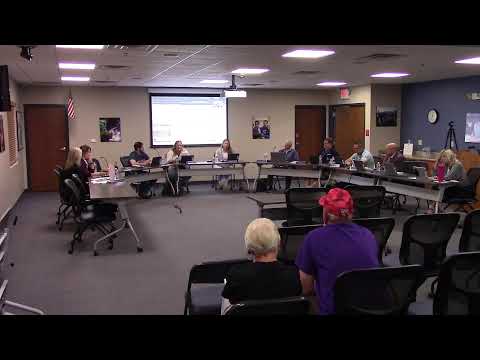
At the May 18 meeting of the Mukwonago School District board, multiple community members urged the board to preserve elementary music opportunities while raising questions about district spending priorities.
Resident Chris Noak told the board he supported students and families but said he had filed a public-records request that he said showed “over $47,000 spent on adult food expenditures” and “over $56,000 spent on conferences, travel, lodging, airfare, parking and retreats” in less than a year. He said the district also added four-and-a-half administrative positions at an annual cost he estimated near $500,000 and asked the board to explain why student programs were being reduced when, he said, non-student spending had increased.
“My concern is priorities,” Noak said. “If enrollment is declining and money is tight, why does administrative spending along with adult spending on non-essential items continue to grow while student opportunities are reduced?”
Several speakers tied the spending concerns to the board’s vote on a music proposal. Angie Jeellish, who described long involvement in district music programs and success she attributes to that participation, told the board pull-out lessons were not the problem underlying concerns about the music program and urged preservation of music offerings. “All of which were learned by being involved in our outstanding music program for nine full years,” Jeellish said. Danielle Gordon pressed the board on whether staff and teachers had been directly surveyed about pull-out lessons and said the proposals lacked meaningful supporting data.
Board staff and the administration emphasized that the music proposal before the board—developed over several months with music teachers and a Parkview steering committee—was intended to be staffing-neutral and to reduce disruptive pullout instruction. Under the approved plan, elementary orchestra will start at grade five with two sessions per week (a 20-minute small-group pullout lesson and a whole-group rehearsal at lunch); band will start at grade six; elementary choir will remain a club; seventh-grade music will be offered as an elective; and secondary band and choir will use a two-to-one co-teaching model with embedded small-group lessons. The board approved “proposal number one” for implementation beginning in the 2027–28 school year.
Superintendent and staff said the recommendation was the result of collaborative work with music teachers and that they will monitor implementation and return with adjustments as needed. The superintendent thanked community members for engagement and committed to continued review.
The meeting record shows no board motion to reopen debate on the spending figures presented by public commenters; the board proceeded to approve the music proposal by voice vote. The meeting then moved on to other agenda items and later into executive session to discuss teacher compensation.
What happens next: staff and the board said they will review the implementation of the music plan in subsequent years and will bring proposed adjustments back to the board after experience with the new structure.