Get Full Government Meeting Transcripts, Videos, & Alerts Forever!
Get email alerts on the State Legislation topic
No spam. Unsubscribe anytime.
Arvada consultants brief council on 2026 Colorado legislative session, highlight budget squeeze and Home Act
Summary
City-hired public affairs consultants told Arvada council that the 2026 Colorado legislative session faced about a $1.5 billion shortfall, produced fewer money‑intensive bills, and advanced the Home Act and several housing, data‑privacy and human‑services measures affecting local governments.
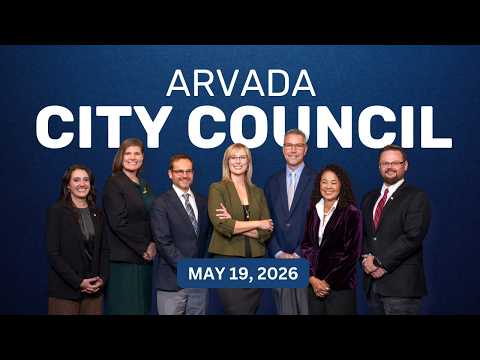
Jennifer Cassell and Ed Bowdich of the city’s public‑affairs firm presented a wrap‑up of the 2026 Colorado legislative session to the Arvada City Council on May 19, saying the legislature faced roughly a $1.5 billion budget shortfall that constrained spending and reduced the number of costly bills that advanced.
“The governor has 30 days to take action on bills once the session is finalized,” Cassell said, noting roughly 500 bills passed and that staff were watching which would be signed, allowed to become law without signature, or vetoed.
Ed Bowdich outlined how the state budget is structured and why the shortfall mattered to local governments. He said about a third of the general fund is consumed by Medicaid and that K‑12’s share of the budget has fallen in relative terms even though funding was not cut this year.
Bowdich and Cassell identified several theme areas that affected Arvada and other local governments: the Home Act, which passed and allows qualified developers to use an administrative permitting process to build affordable housing in certain contexts; unsuccessful or altered bills on data centers and data privacy; and a human‑services redesign pushed by the governor that ultimately kept counties responsible for operations while encouraging regional collaboration.
On housing, Cassell said the Home Act passed after substantial amendments and noted local governments’ concerns had prompted changes to the bill. On data centers, speakers said the session included competing industry and environmental bills that failed to reach consensus.
Cassell and Bowdich also previewed likely fall and 2026 ballot items, including a referred question to raise the state’s TABOR cap and other citizen initiative efforts tied to taxation and transportation funding.
Why it matters: The presenters said the budget environment and enacted/state‑level policy choices can shift the options available to cities for transportation, affordable housing and human‑services programs, and they urged council to track interim rulemaking and budget decisions that will affect Arvada next year.
What’s next: The presenters said the governor’s actions in early June will clarify the final bill slate and that the city will continue monitoring bills and interim work tied to Medicaid, housing and data‑center issues.