Get Full Government Meeting Transcripts, Videos, & Alerts Forever!
Get email alerts on the Ems Budget topic
No spam. Unsubscribe anytime.
EMS seeks restored tuition, full staffing and new ambulance as OSHA fitness rule looms
Summary
Fairfield County EMS asked council to restore tuition assistance, cover higher supply and overtime costs driven by fuller staffing, and approve capital items including gym equipment to meet an anticipated OSHA fitness requirement, three Nitronox units and a $429,000 ambulance replacement.
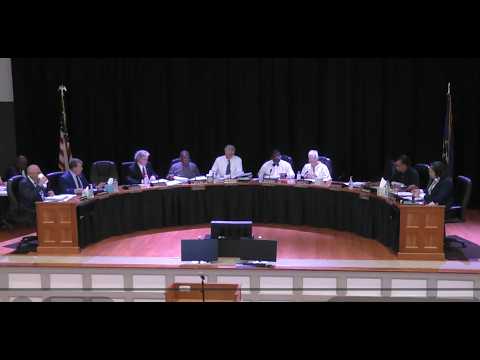
Mr. Carpenter, the department head presenting the EMS request, told the council that the department's higher FY27 operating ask reflects being "fully staffed" after years of vacancies and is not seeking new positions. He said the department is requesting a restoration of tuition assistance to $17,000 to support provider advancement toward paramedic certification and is projecting medical-supply needs to rise from about $145,000 to $160,000 next year.
The presentation emphasized overtime and PRN costs tied to covering six county stations and noted that the original department request had been larger: fully staffing all six stations would require roughly 16 additional full-time positions and about $1 million more in salary expense. "This is no new positions. This is just our current positions," Carpenter said, adding the department previously underbudgeted while understaffed.
On capital, Carpenter asked for $25,000 in gym equipment citing an OSHA fitness requirement the department expects will apply to EMS by the end of the calendar year or early next year. He said the intent is to place fitness equipment in stations rather than centralize it, because pulling units from coverage areas to travel to a single gym would lengthen response times. Carpenter also requested three additional Nitronox units "so we could have them on all of our ambulances," and presented a $429,000 estimate to replace an ambulance that has exceeded its lifespan; delivery timing could range from six months to four years depending on manufacture and order timing.
Council members pressed on FY26 actuals versus adopted amounts, the affordability of station-level gym equipment versus centralized options, the prospect of adding full-time positions, and contingency plans if ambulance delivery is delayed. The council did not take a formal vote during the presentation; the workshop proceeded to other departmental budget reviews.