Get Full Government Meeting Transcripts, Videos, & Alerts Forever!
Get email alerts on the School Meals topic
No spam. Unsubscribe anytime.
Verona Area School District staff recommends $1 student breakfast, modest lunch price increases to stabilize food-service fund
Summary
District food-nutrition leaders told the board the food-service fund (Fund 50) has declined from about $1.9 million in 2022 to an expected $800,000 this year and recommended moving paying families to a $1 breakfast and modest lunch increases to avoid transfers from the general fund.
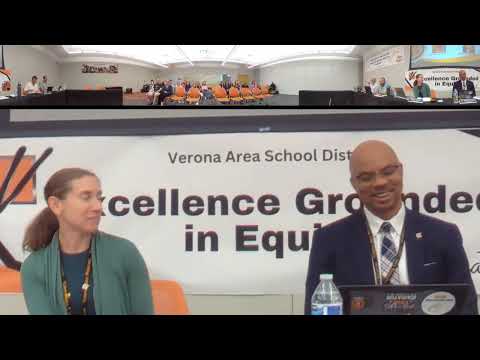
The Verona Area School District’s food-nutrition director and superintendent told the board May 18 that the district’s food-service fund is shrinking and modest price increases are needed to stabilize operations.
At the start of a superintendent report, Food Nutrition Director Robin Billy described program changes — including nutrient analysis, online menus, vegan options, farm-to-school activities and expanded taste-testing — and recounted a recent state and federal audit and several implementation changes since she became director two years ago. Superintendent Chad Weey said those operational improvements have not offset rising commodity, labor and benefit costs and a steady decline in federal reimbursements that followed the COVID-era surge in subsidies.
Administration presented a four-year fund-balance history showing Fund 50 fell from about $1.9 million in 2022 to an expected roughly $800,000 for 2025–26. That drop, coupled with higher commodity prices, leaves the food-service operation running a structural deficit, staff said.
To reduce projected losses, administration recommended setting breakfast for paying families at $1 and enacting modest, county‑average-aligned increases to lunch prices. Weey said a $1 breakfast — still “the cheapest breakfast in town” in the administration’s view — would likely move the program from a $100,000 annual deficit to a modest surplus (administration’s projection), giving Fund 50 a cushion and reducing the risk of transfers from the district’s general fund.
Board members asked about participation risks and eligibility. Robin Billy and Weey clarified that families who qualify for free or reduced-price meals would continue to receive free breakfast; the proposed charge would affect families above the eligibility threshold. Members also asked whether raising the breakfast price to $1 would cause paying families to stop participating; staff said the district still expects paid-family participation to be resilient and noted efforts to recruit students who qualify for free breakfast to maximize federal reimbursements.
The presentation also noted that Fund 50 currently bears many capital and staffing costs — including freezers and equipment replacements — and that any continuing deficit could force transfers from Fund 10 (the general fund) to cover food-service shortfalls.
Administrators characterized the pricing proposal as a compromise intended to preserve student access while making the food-service operation sustainable over the coming years. No formal board vote on the pricing changes was recorded at this meeting; administration said it would return with final recommendations and answer additional board questions.