Get Full Government Meeting Transcripts, Videos, & Alerts Forever!
Get email alerts on the City Finance topic
No spam. Unsubscribe anytime.
Petoskey City audit returns unmodified opinion as fund balances improve; auditors note common reporting deficiency
Summary
Auditors gave Petoskey City a clean opinion for fiscal 2025 while reporting a net position gain and improved fund balances; auditors flagged the routine significant deficiency that the city does not prepare its own complete financial statements for disclosure (auditors prepare the statements).
The independent auditors issued an unmodified ("clean") opinion on Petoskey City's 2025 financial statements and summarized a year of net gains while noting one recurring, routine reporting deficiency.
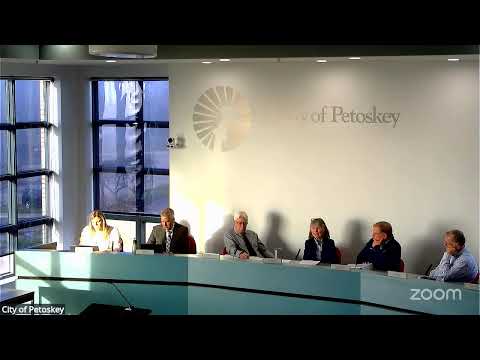
"We did find that everything was fairly presented in accordance with generally accepted accounting principles. So that's what's called a clean or an unmodified opinion," audit partner Trina Oaks said during the council meeting, reading from the auditors' report.
Oaks told the council the city's net position increased during 2025 (the audit presentation cited roughly $5.3 million to $5.8 million of improvement at different points of the discussion), total assets were reported at about $111.8 million, and total liabilities near $10.8 million. The general fund ended the year with a fund balance of approximately $7.6 million, including about $4.8 million that is unassigned and available for operations, the auditors said. The auditors also noted the city handled federal grant programs subject to single-audit requirements and found the city compliant in the programs reviewed, including FEMA ice-storm funds referenced at about $895,000.
The audit letter included one commonly reported item: a significant deficiency stemming from auditors preparing the comprehensive financial statement package (standards technically require management to prepare all disclosures). "This is very common in governmental entities," Oaks said. She added that city management reviews and approves audit adjustments and the draft statements before issuance, and the auditors found no disagreements with management.
Council members pressed for clarity on the finding and on several technical adjustments. In response to a question about the $1 million brownfield loan accounting, staff explained the loan had originally been posted to fund balance for budget presentation and was moved to revenue for the audited financial statements to reflect proper presentation. The auditor and staff also corrected one wording typo in the draft audit letter that mistakenly referred to a "board of directors," saying it should read "city council."
City Finance staff highlighted several positive budget outcomes: the city adopted a budget that projected a small net loss but finished the year with a general fund increase of about $938,000 and better-than-budget results across several lines. The auditors noted timing differences on capital projects and grants as common reasons for variances between budgeted and year-end actuals.
The report and presentation were accepted and posted for the public record. The council thanked the finance team for their work compiling records for the audit.
The council did not take a substantive policy action at the audit presentation; the audit letter and the accompanying schedules will remain part of the city's official financial record.