Get Full Government Meeting Transcripts, Videos, & Alerts Forever!
Get email alerts on the Neighborhood Improvements topic
No spam. Unsubscribe anytime.
Neighbors who raised most funds ask Highland City to cover gap on Twin Bridges entry project
Summary
A volunteer group raised about $65,666 toward a $92,000 bid to repair the Twin Bridges neighborhood entrance and asked the city for roughly $27,000 to finish the project; council members voiced support and asked staff to return the request as an agenda item with funding options including insurance and impact-fee balances.
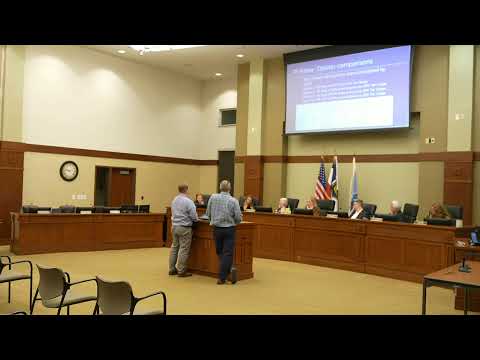
A volunteer committee that organized neighborhood fundraising told the Highland City Council on May 19 that it has raised roughly $65,666 toward a $92,000 low bid to restore a deteriorating entrance sign and ironwork at the Twin Bridges neighborhood.
Paul Wat, the neighborhood representative, said the property where the entry features sit was deeded to the city by the original developer and that residents took the initiative to design, bid and raise most of the project money after the city confirmed ownership. "We've raised 65,666 and we're shy of about 27,000," he told council members, asking whether the city could contribute the remainder to finish a project the neighborhood said would otherwise stall.
Why it matters: the entrance sits on city-owned land but serves as a landmark for the private neighborhood. Neighbors said the site has become a safety issue, with trespass and camping near the trailheads since a new park opened nearby, and requested that the city consider funding, insurance proceeds from a vehicle strike (staff noted negotiations with an insurer may yield about $15,000), or impact-fee balances from earlier developer deposits.
Council reaction and next steps: Council members expressed broad sympathy and preliminary support for exploring funding. Councilwoman Rodella said the city should help because the parcel is city-owned and "has my full support that the city helps pay for the rest of it." Staff said they would place the item on a future agenda with a funding recommendation that considers the neighborhood's donations, potential insurance proceeds and any remaining impact-fee balances.
The meeting did not authorize funding that night; council requested staff research options and return with a concrete proposal.