Get Full Government Meeting Transcripts, Videos, & Alerts Forever!
Get email alerts on the Tax Abatements topic
No spam. Unsubscribe anytime.
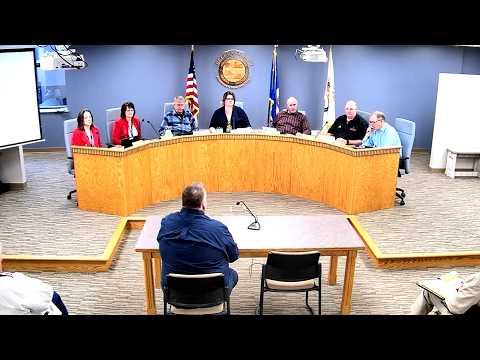
Becker County pulls large tax abatements for review, then approves after staff clarification
Summary
Commissioners pulled several large property tax abatements from the consent agenda over unexplained valuation changes and duplicate taxing, requested further staff review, and after explanations and corrections the board approved the abatement items.
The Becker County Board moved Friday to pull several large property tax abatements from the consent agenda for additional review after commissioners questioned sudden valuation drops and duplicate taxing entries, then voted later in the meeting to approve the abatements after staff explanations.
The issue surfaced during the consent agenda when commissioners flagged two unusually large abatements and asked why assessed values had fallen substantially year‑to‑year. Treasurer and staff explained that a recent platting and parcel split left both the original (now‑obsolete) parcel and newly platted parcels listed in the tax system, generating duplicate charges for some owners. Staff said the apparent $800,000 reduction on one parcel reflected a split, not a sale, and that a 20‑acre parcel had been erroneously taxed twice after platting.
Commissioners pressed for detail. One asked for the county to pull the abatement items until staff — including the assessor and Lee (treasurer) — could confirm the correct parcel mapping and valuation. The board approved a motion to remove consent agenda item 7 (the abatement block) from routine approval and continued with the remaining consent items.
Treasurer Lee and staff later reported that the errors stemmed from transition issues in the county tax software and from platted parcels remaining active in the system; staff estimated recent revenue forgone from similar errors at roughly $80,000–$100,000 over the past two meetings and said prior years had smaller amounts. After staff described the parcel splits and confirmed which records needed correction, the board voted to approve the abatement requests at the follow‑up agenda slot.
The board directed staff to pursue system corrections and better checks to avoid future duplicate taxing, and to notify affected taxing jurisdictions (townships and school districts) about adjustments and levy‑limit implications. Commissioners noted the importance of closing process gaps before the next tax cycle.
The board carried the motion to approve the abatement items without recorded roll‑call tallies; the minutes show the motion passed.