Get Full Government Meeting Transcripts, Videos, & Alerts Forever!
Get email alerts on the Child Care Program topic
No spam. Unsubscribe anytime.
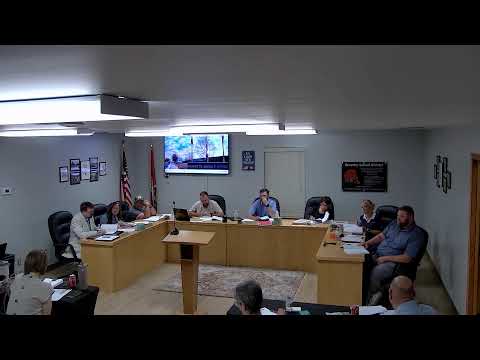
Gravette board approves study of staff child‑care program, seeks cost‑neutral model
Summary
After a lengthy debate and divided feedback from staff and community, the Gravette School District board voted to pursue further study of a staff child‑care program with a requirement that any recommended model be cost‑neutral on an annual basis to the district.
The Gravette School District board on a voice vote approved further study of a staff child‑care program and directed administration to return with proposals that can be cost‑neutral to the district on an annual basis. The motion, approved after more than an hour of discussion, allows limited seed or startup funding if needed for launch costs but requires sustainable operations without an ongoing district subsidy.
Administrators presented four options ranging from a district‑coordinated program with a $70,000 annual coordinator cost and parent fees estimated at $30 per day, to hybrid models that would repurpose funds (a Dean of Students position) or include a one‑time district startup payment to lower parent costs to about $32 per day. Staff noted the district would likely need to open slots to the community to meet licensing ratio requirements and make the program financially viable.
Board members expressed mixed views. Supporters said the program could help retain teachers and address a recurring childcare gap for staff returning from leave; critics called for more research into funding sources, grant opportunities, licensing and liability (one board member noted a recent child‑care lawsuit involving another district). Several members asked administration to consult comparable districts, explore ABC/state funding, investigate private startup grants and bring back a more detailed financial model and implementation timeline.
The board did not immediately approve any program or ongoing subsidy. Instead, the motion requires administration to return with fact‑finding and options that meet the board’s cost‑neutral requirement, along with recommended parameters — including a target range for parent fees, startup costs, and whether to prioritize staff only or open to the public.
What happens next: Administration will form a committee of staff and community representatives, research models used by similarly sized Arkansas districts, and return with a recommended plan, expected to include projected per‑child fees, startup estimates, licensing timeline and any proposed district seed funding.
"I want to make this happen for our staff," one administrator said during the presentation, but added it had been a rapid turnaround and more research was needed before a launch decision.