Get Full Government Meeting Transcripts, Videos, & Alerts Forever!
Get email alerts on the Energy Efficiency topic
No spam. Unsubscribe anytime.
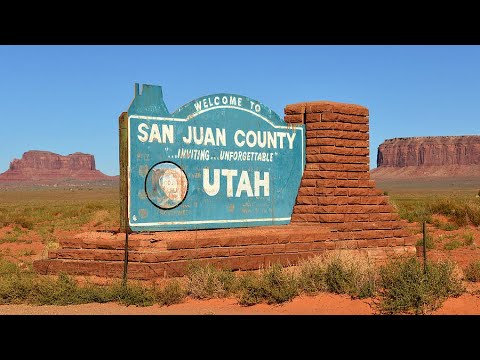
Local advocates brief commission on federal Home Energy Rebate program and $8 million tribal set‑aside
Summary
A local organizer and residents told the San Juan County Commission that Utah’s Home Energy Rebate program—a Department of Energy formula grant—could bring energy-efficiency upgrades to low‑ and moderate‑income households, and that the state set aside $8 million specifically for tribal lands, prompting calls for contractor coordination and outreach.
Drew Cooper, a Bluff resident who identified himself during the presentation, told the San Juan County Commission on May 19 that Utah’s Home Energy Rebate program could bring significant energy‑efficiency resources to county households and tribal lands. He said Utah’s allocation is roughly $101 million and that the state has set aside $8 million specifically for households on tribal lands.
The program, established at the federal level by the U.S. Department of Energy, is designed to offset the cost of home energy upgrades—insulation, air sealing, electrical panel upgrades and high‑efficiency appliances—for eligible homeowners. Cooper said the state’s implementer, Greencat Energy, and the state Office of Energy Development will move to set up program details following updated federal guidance expected in coming weeks.
"This program looks to be actually coming into fruition," Cooper said, adding that San Juan County has the highest household energy‑cost burden in the state and that the program should be tailored for local conditions, including homes on tribal lands and households that lack basic insulation or modern electrical panels.
Commissioners and attendees focused on access barriers on the Navajo Nation and in remote communities. Cooper and other presenters recommended several measures to increase participation: contractor‑led assistance so contractors handle most of the paperwork; targeted outreach to tribal chapters and households with homesite leases; coordination with the state implementer; and training or bolstering of local contractors so the county can meet demand for weatherization and appliance installation.
Commissioner Mann and other commissioners praised local organizing and the state representative’s involvement in helping obtain implementer attention. Commissioners agreed to stay engaged with the Office of Energy Development and the implementer to ensure San Juan County households can access the set‑aside and that the program supports local contractors where feasible.
Next steps: presenters and commissioners said they will reconvene the local group that held previous listening sessions, coordinate outreach with the Office of Energy Development and Greencat Energy once formal guidance is issued by the Department of Energy, and work to resolve participation and eligibility questions for homes on tribal lands.