Get Full Government Meeting Transcripts, Videos, & Alerts Forever!
Get email alerts on the Housing Rubs Transparency topic
No spam. Unsubscribe anytime.
Jersey City council unanimously adopts rules to make landlord utility bills transparent
Summary
The council on May 20 approved ordinances requiring landlords who use ratio utility billing systems to disclose building totals, allocation formulas and fees, and clarified that such charges count as rent in rent‑controlled units. Both measures passed unanimously, 9‑0.
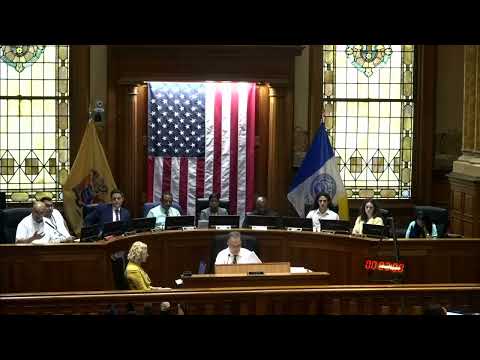
Jersey City’s Municipal Council on Wednesday unanimously approved two ordinances aimed at giving renters clear, itemized information about ratio utility billing systems, known as RUBS, and at keeping RUBS charges inside the city’s rent‑control framework.
Ordinance 26‑027 requires landlords that use RUBS to include on each tenant’s bill the building’s total utility cost, the allocation formula used to divide charges among units, any administrative fees and contact information for the utility provider and billing vendor. Sponsor Councilman Jake Efos said the change is “turning the lights on” in a system tenants described as a “black box.”
The measure followed a lengthy public hearing that opened May 20. Dozens of tenants, tenant advocates and housing experts told the council they regularly receive monthly RUBS invoices with little or no explanation and no ability to verify whether charges are correct. “Right now, thousands of renters across Jersey City are facing a financial black box every single month,” said Ark Boils, a tenant who urged passage and added that some billing companies already hold the data and could display it with a one‑time formatting change. Another tenant described a landlord email that changed a building’s common‑area allocation from 5% to 15%, and said the prior figure suggested tenants had been overbilled for years.
Council members emphasized that a local ban on RUBS would likely be preempted by state law, so the city focused on disclosure. “We wanted to do the next best thing, which is turning the lights on,” Councilmember Efos said during debate. Councilmember Labaro described the ordinance as “common sense” that will give tenants time and information to review charges and raise questions before disputes escalate.
Ordinance 26‑028 amends Chapter 260 (rent control) to make explicit that utility charges assessed through RUBS are considered rent for rent‑controlled units. Tenants and their advocates argued the change is necessary because some landlords have treated RUBS as outside the rent cap. Michelle Hirs, who said she represents hundreds of households, told the council that landlords had continued RUBS billing for years after a rent‑control board ruling affecting their buildings and that making charges part of the rent definition provides a clear enforcement path.
Both ordinances passed on final vote unanimously, 9‑0. Councilmembers said they will continue to press state lawmakers for broader reforms but framed the local steps as immediate consumer protections that require minimal administrative changes for billing vendors.
What it means: Tenants in buildings that use RUBS should, once the ordinances take effect and clerks and vendors update invoices, receive monthly statements showing the total billed to the building, the allocation math used, and any fees. That paperwork will give tenants the facts needed to request corrections or, for rent‑controlled units, pursue remedies under the city’s rent‑control processes.
Next steps: The ordinances were adopted on May 20. Council members and tenants urged that city departments ensure timely implementation so the new disclosures appear on monthly bills, and several council members said they will advocate at the state level for additional reforms.