Get Full Government Meeting Transcripts, Videos, & Alerts Forever!
Get email alerts on the Blight Enforcement topic
No spam. Unsubscribe anytime.
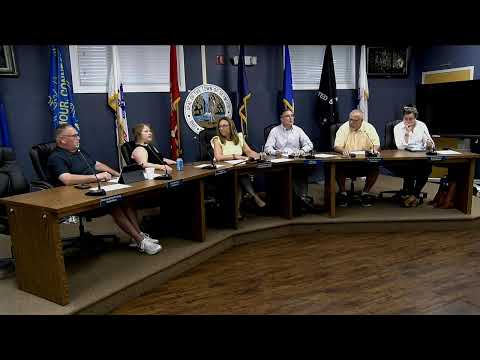
Selectmen set blight fine at $250 after owner demolishes garage and remediates site
Summary
After a lengthy hearing over a citation for a derelict garage at Skokorat Street, the Board of Selectmen set the fine at $250 — citing a failure to file the required written corrective action plan despite the structure’s demolition and site remediation.
The Seymour Board of Selectmen voted to set a blight fine of $250 for the owner of a property on Skokorat Street after the owner removed a collapsed garage and remediated the site.
John McKenzie, the town’s blight enforcement officer, told the board the citation followed repeated noncompliance and the absence of a written corrective action plan required by the town’s anti-blight ordinance. McKenzie said the office had provided notices and that “verbal communication does not satisfy ordinance requirements,” and wrote in his recommendation that “the citation fine should be upheld in full.”
The property owners — represented in a written letter read into the record by staff — said extreme winter weather delayed contractors and that Highland Construction completed demolition in early April. The letter said the owners believed they had communicated the plan verbally and disputed charging fines given the weather and the fact the structure was removed.
Board members debated whether to reduce or waive the fine because the blight had been corrected. Selectman Scott argued for leniency, saying the owner “did what he was going to do” and completed remediation soon after weather allowed. Other members stressed the importance of following the written procedures outlined in the ordinance to preserve consistent enforcement.
After discussion, Selectman Trish moved — and Briana seconded — a motion to set the penalty at $250 to reflect the failure to file the required paperwork but recognize that the hazardous condition had been removed. The motion carried with four members voting in favor and two opposed; the transcript records that the chair voted no.
The board did not adopt a policy change; McKenzie and members urged that future corrective action plans be filed in writing so extensions and administrative discretion can be applied under the ordinance’s procedures. No further appeal timeframe was specified on the record.