Get Full Government Meeting Transcripts, Videos, & Alerts Forever!
Get email alerts on the Infrastructure topic
No spam. Unsubscribe anytime.
Committee chair opens hearing on Potomac Interceptor collapse, cites over 240 million-gallon spill
Summary
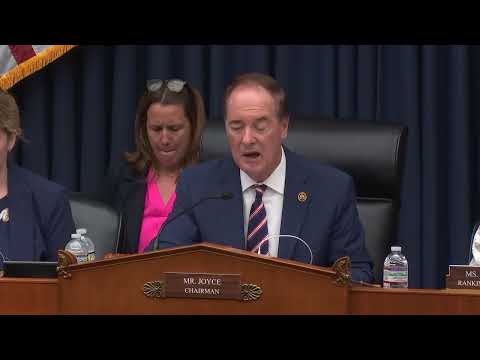
The chair of the House Committee on Energy and Commerce opened a hearing on the Jan. 19 collapse of D.C. Water’s Potomac Interceptor, saying the failure released over 240 million gallons of wastewater into the Potomac River and raising questions about permitting, oversight and regional impacts.
The chair of the House Committee on Energy and Commerce opened a hearing on the Jan. 19 collapse of D.C. Water’s Potomac Interceptor, saying the failure released over 240 million gallons of wastewater into the Potomac River and prompting scrutiny of permitting, maintenance and federal oversight.
"The collapse caused over 240 million gallons of wastewater to overflow into the Potomac River," the chair said in opening remarks, adding that the incident raised "serious concerns about the resilience of critical wastewater infrastructure" and the potential public-health and environmental effects for communities in Virginia, Maryland and the District of Columbia. The chair noted that, because of where the collapse occurred, the incident did not affect the region’s drinking water supplies but said a similar failure upstream could have had different consequences.
The chair identified D.C. Water as the owner and operator of the Potomac Interceptor, a 54-mile sanitary sewer system that runs through parts of Virginia, Maryland and D.C. Federal agencies that have roles in the response and oversight, the chair said, include the U.S. Environmental Protection Agency, the U.S. Army Corps of Engineers and the National Park Service. He asked whether permitting requirements had delayed needed repairs, whether warning signs were missed, and what else should be done to prevent similar failures.
The opening framed the hearing as an investigation into causes, consequences and possible changes to strengthen oversight and resilience of wastewater infrastructure. The chair argued that a thorough inquiry is needed "to fully understand the causes and the consequences of this failure, and to take meaningful steps to prevent similar incidents in the future." He thanked witnesses for appearing as the hearing moved to testimony and questioning.
Notably, an earlier part of the chair’s statement referred briefly to "hundreds of gallons" overflowing, and later cited the figure of "over 240 million gallons." The transcript contains both phrasings; the larger figure was the more specific volume emphasized later in the opening. The committee’s further testimony and evidence will be needed to confirm final spill volume and cause. The hearing will examine management and oversight questions, including the role of permitting and interjurisdictional coordination in preventive maintenance.