Get Full Government Meeting Transcripts, Videos, & Alerts Forever!
Get email alerts on the Lfis Prioritization topic
No spam. Unsubscribe anytime.
Bethel Local board weighs fieldhouse, bus garage and other LFIs as $2.6M sits in reserve; levy options discussed
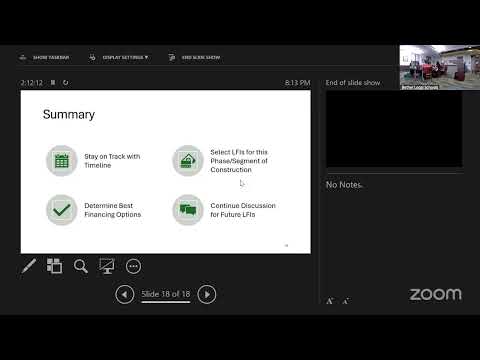
Summary
Board reviewed a prioritized list of locally funded initiatives (LFIs) — the incomplete fieldhouse and related stadium amenities, a new transportation facility or temporary bus parking, and varsity baseball/softball upgrades — and discussed phasing, estimated costs and permanent improvement levy timing to pay for the work.
Board members and staff reviewed a menu of locally funded initiatives (LFIs) and began prioritizing which projects to pursue with about $2.6 million the district set aside last June. The priorities raised most often were completing the fieldhouse (bathrooms, locker rooms and concessions), adding bleachers/seating, improving the baseball/softball complex, and addressing bus parking and circulation safety.
Staff presented example cost ranges and emphasized those figures were illustrative and include construction plus soft costs (permitting, survey, furnishings). A small fieldhouse example was presented near a $2 million all‑in cost; larger multi‑use fieldhouses and indoor facilities were shown at higher price points (multiple millions) in sample slides. Staff warned that combined priorities (fieldhouse plus a transportation facility and new varsity baseball) could push total needs beyond the $2.6 million currently available and discussed phasing options and borrowing or private fundraising to bridge gaps.
On transportation, board members described current bus parking and traffic as a safety and congestion concern during events and practices. Short‑term options discussed included temporary gravel parking, moving bus parking to an on‑site gravel area or using staggered parking practices; a permanent transportation facility or bus garage would be far more expensive and could require reconfiguring fields or site layout, which would increase costs and complicate phasing.
The board discussed levy timing and voter outreach. Staff noted that the district’s permanent improvement (PI) levy is a five‑year levy requiring action by calendar‑year 2027 (May or November ballot options were discussed) and that the two‑mill PI levy generates roughly $325,000 a year; the board also discussed the option of borrowing against anticipated revenue or seeking private donations. Several members said residents have voiced frustration with temporary fixes and expressed support for a clear plan and a targeted PI request that tells voters what revenue will buy.
No LFIs were formally approved at the meeting. Board members instructed staff to refine cost estimates, develop phasing scenarios tied to the architect’s work and the OFCC timeline, and prepare materials the board could use to seek voter approval if a PI levy or bond were recommended.