Get Full Government Meeting Transcripts, Videos, & Alerts Forever!
Get email alerts on the Public Safety topic
No spam. Unsubscribe anytime.
Council directs staff to tighten proposed fire-department cost-recovery ordinance after public concerns
Summary
City staff presented a revised ordinance to allow billing for repeat non-emergency fire responses and create a review committee; council members pressed for clearer safeguards to avoid chilling 911 calls and asked staff to return with tightened language for a second reading.
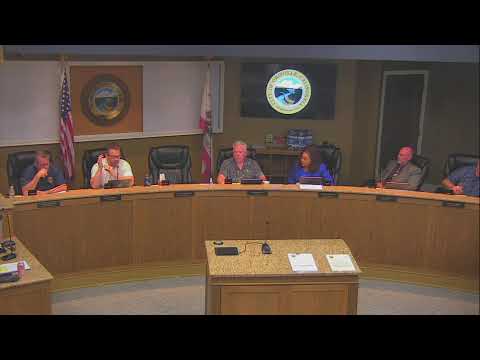
Oroville staff returned to the City Council May 19 with a revised draft of a fire department cost-recovery ordinance that would allow the city to recover costs for certain repeat or non-emergency responses while exempting bona fide emergencies.
"The purpose of this ordinance is not to bill residents for true emergencies or discourage anyone from calling 911 when they believe an emergency exists," said Mr. Tims, the staff presenter, who described a review process that would require approval by a cost-recovery review committee before any invoice is issued.
Council members and the chief engaged in an extended exchange about how the policy would be applied. "We established a review committee," Tims said, adding the committee would include the city attorney and senior staff and that a warning notice would be sent before billing: "I don't want to blindly send a violation or bill or anything like that."
Vice Mayor Smith and Councilwoman Goodson both said the written ordinance must be tightened to avoid any chilling effect that might deter low-income residents, seniors or people in crisis from calling for help. "If there's any chilling effect at all of a call for service, I am concerned about that," Vice Mayor Smith said, asking for clearer, narrower language in the ordinance itself.
Chief Chen described the operational chain: captains would document incidents and initiate an electronic form, which would move to a battalion chief and then through senior staff before reaching the committee. He said the policy is aimed primarily at scheduled, non-emergency uses (for example, private facilities scheduling a lifting assistance call) and repeat non-emergent demands that misuse taxpayer-funded emergency resources.
Council members asked for explicit safeguards and thresholds — for example, clear handling of vehicle accidents where fault may be unclear and codified rules for false alarm billing — and they noted the administrative workload the review process could add. Several members pressed staff to include specific criteria for when billing would be considered and to codify timeframes (for example, reset periods) and fee schedule linkage.
No formal vote was taken at the hearing. Council directed staff to tighten the ordinance language, add clearer safeguards and return the revised ordinance for a second reading.
The public hearing record included no public speakers against or for the ordinance at the meeting; council discussion focused on balancing cost recovery with preserving unfettered access to emergency services.
Next step: staff will re-draft the ordinance per council direction and return for a subsequent reading and possible adoption.