Get Full Government Meeting Transcripts, Videos, & Alerts Forever!
Get email alerts on the Water Service Potlatch topic
No spam. Unsubscribe anytime.
Cordelane council tables water-service plan for Potlatch Hill property after contentious history and asks staff to reconcile a 'good neighbor' agreement
Summary
After decades of requests from property owner Jenny Tate, the council directed staff to return in two weeks with a reconciled good-neighbor agreement and line-item clarifications on annexation, fees and fire-protection requirements for water service at 4176 E. Potlatch Hill Road.
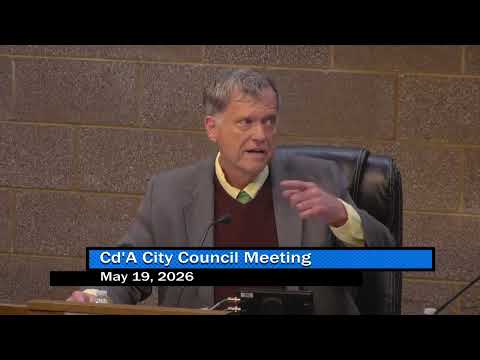
The Cordelane City Council on May 19 paused action on a proposed ‘‘good neighbor’’ agreement to provide city water to 4176 East Potlatch Hill Road and directed staff to work with the property owner to return in two weeks with a negotiated agreement. The item touches on annexation obligations, fire-flow and road-improvement requirements and a long history of unsuccessful attempts by the Tate family to obtain municipal water.
Kyle Marine, the city’s water department director, told the council the city’s system has capacity to serve the parcel and summarized Policy 17.001 (services outside city limits), noting the property had been offered a temporary fill-station hookup while annexation discussions continued. Marine said the proposal included standard annexation and fire-department conditions that would apply if and when the parcel is annexed, and that several other parcels had been denied previously because they did not meet the policy criteria.
Council members pressed staff about fire protection needs and precedent. ‘‘Hydrant spacing must be 500 feet’’ and the fire department requires minimum flow and pressure (fire-flow cited in staff notes as 1,500 gallons per minute at 20 PSI), staff said; council members asked who would pay for road upgrades and additional hydrants when annexation was required.
The property owner, Jenny Tate, told the council she had pursued water and sewer hookups since the 1980s, said she had paid for a hydrant and substantial engineering costs, and described prior in-room agreements that she said later were changed in city documents. "In exchange to allow the road to go up the hill, we were guaranteed water and sewer hookups," Tate said, recounting decades of negotiations and costs she said she had borne. Tate asked the council to ‘‘complete the install underground so there's no damage to the fire hydrant’’ and to finalize a path to get her water without continuing cycles of renegotiation.
Council members expressed sympathy for Tate’s history while voicing concern about setting a precedent that could prompt as many as 28 other parcels to seek similar exceptions. Several council members said they wanted protections for the city, clear annexation triggers and explicit allocation of future costs. One council member suggested directing staff to provide a temporary connection immediately; others cautioned that the legal and statutory framework around annexation complicates any deviation from policy.
Councilmember Christie moved to table the item and requested that Tate and staff meet over the next two weeks to reconcile the draft agreement’s outstanding line items, including annexation triggers, capital fees and fire-protection responsibilities. The motion carried. The council directed staff to return the negotiated agreement and a staff report for the next meeting for final action.
Next steps: staff will meet with the Tate family, prepare a redlined comparison of the city draft and Tate edits, and bring a staff report and proposed agreement back to the council meeting scheduled in two weeks.