Get Full Government Meeting Transcripts, Videos, & Alerts Forever!
Get email alerts on the Municipal Clerk Budget topic
No spam. Unsubscribe anytime.
Municipal clerk details election costs, staffing strains and pet-license changes
Summary
Pam, the municipal clerk, presented the clerk's office budget, warning that higher absentee-ballot volumes, postage and equipment replacement will raise costs for upcoming elections; she also reported pet-license revenue and described changes to staffing and licensing operations.
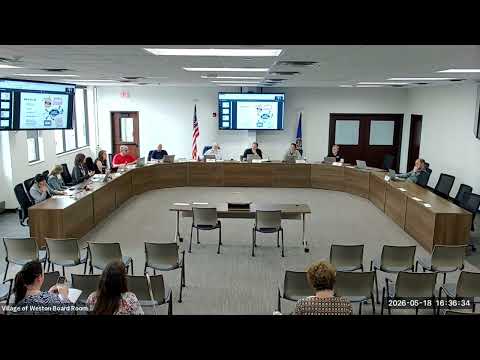
Pam, the municipal clerk, told the Finance and Human Resources Committee on Monday that the clerk’s office is preparing for a heavy election year and needs budget flexibility to cover higher postage, poll worker wages and equipment replacement.
The clerk said the office already has more than 700 absentee ballot applications on file for the August election and expects substantial postage costs. “When we get our absentee requests … we already have over 700 absentee applications on file for that election,” Pam said, explaining why postage jumped from roughly $6,000 last year to about $15,000 in the current budget projection. She added that the office conducts two weeks of in-person absentee voting and offers curbside voting for residents with mobility issues.
Why it matters: The clerk’s presentation put election administration—staffing, supplies and equipment—at the center of the committee’s near-term budget planning. The discussion highlighted recurring costs tied to even-numbered (higher-turnout) elections and the need to retain experienced poll workers.
Pam outlined several specific budget drivers: temporary wages for election inspectors, postage for mail ballots, and periodic replacement of electronic poll books known locally as Badger Books. The municipality owns 13 Badger Books; Pam said the office purchased four last year at a cost of about $11,000, and plans to replace additional units on aroughly multi-year cycle. “They’re pretty pricey,” she said of the devices.
On poll-worker pay, Pam said a county survey of 52 municipalities showed the village pays about $12 an hour on average for election inspectors and that she anticipates proposing a raise for the chief inspector role to roughly $15 an hour when terms renew. “That chief is responsible for the election room … that chief inspector has that day warrants the extra two bucks an hour,” she said.
Pam also summarized other clerk-office duties that affect staffing and budget: licensing (51 liquor licenses across bars, restaurants and retailers), bartender and tobacco licensing, open-records requests, and tax collection. She said the clerk’s counter handled about $22 million in tax payments between roughly Dec. 15 and Jan. 31 and that roughly 84% of tax collections came through in-person or counter transactions.
On pet licensing, Pam said the village moved licensing in-house after a 12-year contract with a Texas-based vendor. Through March 31, 2026 the office recorded $17,480 in pet license revenue, remitted $9,413 to Marathon County and retained $8,067 (the arithmetic remainder of those amounts). The clerk explained the municipality increased the fee for a neutered dog license to $20 after the local humane organization raised the fees it charges municipalities.
Pam closed by noting staff reductions in recent years—down from four full-time staff several years ago to three now—and stressed the workload pressure during large elections. She described the clerk’s role as a “trusted link between residents and the community,” adding, “We are the guardians of democracy.”
No formal action was taken on the budget items at this meeting; trustees acknowledged the reports and will consider budget proposals through the usual board processes. The committee adjourned without adopting a substantive budget change at this session.