Get Full Government Meeting Transcripts, Videos, & Alerts Forever!
Get email alerts on the Employee Benefits topic
No spam. Unsubscribe anytime.
Council committee reviews draft benefits ordinance aiming to align non‑bargaining pay and leave with bargaining contracts
Summary
City staff presented a section‑by‑section ordinance to update benefits for non‑bargaining employees to mirror provisions in the city's bargaining contracts, including insurance premium language, new vacation accruals, a mandatory vacation use policy, sick leave changes for 48‑hour employees, and pay adjustments; council later approved a related wages/benefits bill.
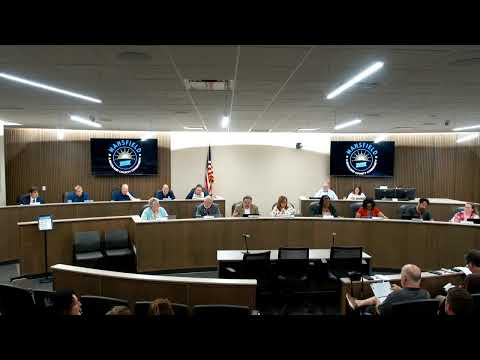
Sher Meyer opened the Employee Relations Committee and asked Director May to walk council through a proposed ordinance updating benefits for non‑bargaining city employees. Director May said the central aim is "to mirror as much as we can what you'll see in the respective contracts throughout the city while still respecting the unique differences that our non‑bargaining employees have."
The ordinance as presented would: align insurance contribution language with the city's bargaining contract (the transcript refers to that contract as the "ask me" contract) and notes the city's current premium split as 88% city/12% employee; keep call‑in pay as a four‑hour minimum even if work takes less time; reduce the maximum compensatory hour bank from 280 to 240 hours; add a 40‑hour, use‑or‑lose vacation allotment for employees with six to 12 months of service; allow recognition of up to eight years of prior public‑service credit to boost vacation accruals; require employees to use at least 40 hours of vacation annually while permitting the sale back of up to 80 hours per year; and make targeted changes for employees on 48‑hour schedules (holiday observance on a 16‑hour basis and revised sick‑leave calculations to align with the fire contract).
Director May also described several pay‑and‑benefit adjustments: a $500 attendance/incentive bonus for perfect attendance (excluding vacation), a shift differential increase from $1 to $1.50 for second/third shift workers, an increase in a chiefs' clothing allowance from $1,000 to $1,500 annually, and added certification pay and new certifications requested by the city engineer, Mr. Bianke. She described the educational assistance program as a corporate reimbursement model that pays institutions directly for preapproved courses and includes repayment terms for employees who leave city service after receiving assistance. Several discipline‑section language edits were presented as housekeeping.
Council members asked clarifying questions. When a council member asked whether assistant fire chiefs would lose holidays under the proposed alignment with the fire contract, Mayor Perry responded that "they didn't lose time. we purchase time back in that contract," and that assistant chiefs had asked to be treated like the bargaining unit.
The draft moved from committee into the full legislative docket: later in the meeting council voted in favor of bill 26‑101, an ordinance updating wages, salaries, fringe benefits and terms of employment for certain city employees; that ordinance passed in the recorded roll calls that evening, recorded in the transcript as "8 to zero."
Next steps: the ordinance review the committee completed will be advanced through the council legislative process and accompanying implementation details (effective dates, department responsibilities and final contract alignment) will be finalized in subsequent staff reports and ordinance language.