Get Full Government Meeting Transcripts, Videos, & Alerts Forever!
Get email alerts on the Public Safety topic
No spam. Unsubscribe anytime.
Commission approves $50,000 allocation to district attorney's office for staffing through fiscal year
Summary
The commission presented a resolution to provide $50,000 to the district attorney's office for salaries and staff through the fiscal year with a commitment to re-evaluate funding annually; the work session recorded no objections and no further detail on implementation was provided.
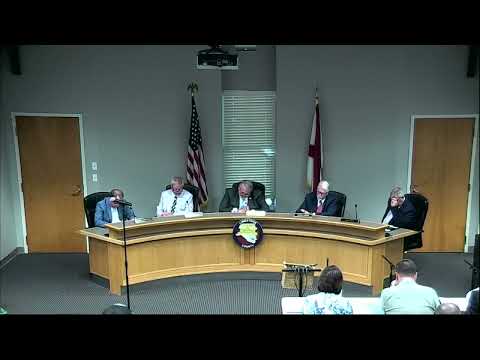
Limestone County's work session on May 18 included a resolution to allocate $50,000 to the district attorney's office to support salaries and staff until the end of the fiscal year, with a commitment to re-evaluate funding annually after budget reviews.
The chair described the resolution as intended "to be used towards salaries and staff until the end of the fiscal year with the commitment to re-evaluate during the district attorney's office at the end of every year after budget review and with the intent of annual renewal concerning funding of the district attorney's offices based on the ability of the county funds and the state funds." The chair asked for comment and none was raised.
A member of the public during earlier comments had asked questions about prior references to both $368,000 and $1.3 million in opioid-settlement funds and how related programs and contracts would be overseen; the commission's presentation of the DA resolution during the work session did not include additional information about the relationship between settlement dollars and DA funding.
Why it matters: Supplemental funding for a prosecutor's office affects local criminal justice staffing and can influence case handling capacity. The public had asked about oversight and whether these were in-house programs or contracted services; the work session did not record those specifics.
Next steps: The resolution was presented and pushed forward in the session with no recorded objections; the meeting transcript does not record specific implementation details such as hiring plans, contract language, or certification requirements for personnel paid with the funds.