Get Full Government Meeting Transcripts, Videos, & Alerts Forever!
Get email alerts on the Ami Project topic
No spam. Unsubscribe anytime.
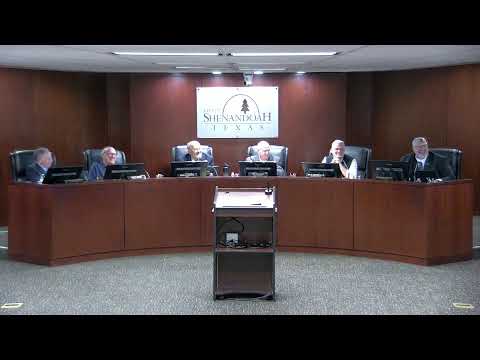
Shenandoah council approves roughly $2 million AMI contract to replace about 1,700 water meters
Summary
The Shenandoah City Council approved a recommendation to award a contractor-led advanced metering infrastructure (AMI) project to replace about 1,700 water meters and install a customer portal, with staff saying the capital cost is roughly $2 million and installation should finish before year end.
The Shenandoah City Council voted to approve a contractor recommendation to install an advanced metering infrastructure system that will replace about 1,700 water meters across the city and add a customer portal, staff said.
Chad Nobles, representing Amoresco, told the council the AMI system will deliver hourly consumption data, leak alerts and pressure monitoring that staff and customers can access. "With this you're going to get actually hourly incremental data," Nobles said, adding that the system can alert residents to continuous consumption such as a leaky toilet.
Nobles described field work the vendor performed to scope the project, showing photos of buried or damaged meter boxes and noting several larger commercial meters and vaults that will need special handling. He said the project includes installing bypasses at four critical facilities (the city complex plus several medical/hospital locations) and replacing damaged vaults where necessary.
On cost, Nobles said the project is "roughly for us a $2 million project," and noted an additional integration fee of about $7,000 from the city's billing vendor for linking meter data into the billing system. He said the manufacturer offers a 20-year proration-style warranty on the endpoints and that ongoing service fees historically increase about 1% annually. Material availability and integration work were projected to allow installations to begin in August with a three- to four-month completion window.
Council members pressed on likely billing impacts when more-accurate meters replace aging mechanical meters that often run slow. Nobles and staff said the city will run a public outreach and education program ahead of activation, provide door hangers and mailed notices for installs, and offer spot metrology testing if customers dispute a reading. Nobles said additional testing is feasible: "If there's additional testing that need to take place because a business or a citizen doesn't trust the data, that's definitely capable of being done."
Funding was described as coming from the water/sewer enterprise fund and available cash flow; staff said the city can reallocate capital from other projects and cover ongoing fees from operating budgets. Councilman Fer made the motion to approve the contract recommendation; Councilman Robinson seconded and the motion carried.
The council directed staff and the contractor to develop the public engagement plan, including bill inserts, a customer portal link and targeted outreach for fixed-income customers before the system goes live. Installation and specific street schedules will be shared with residents as the program begins.