Get Full Government Meeting Transcripts, Videos, & Alerts Forever!
Get email alerts on the Early Childhood topic
No spam. Unsubscribe anytime.
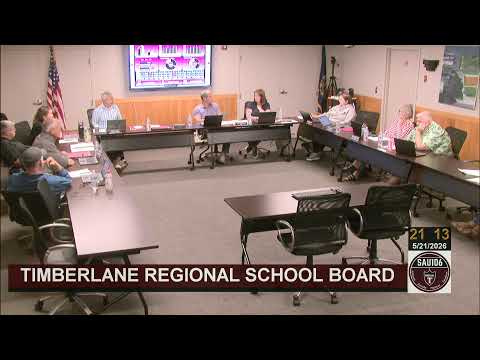
Board hears multi‑age early‑childhood classroom proposal; members ask about ratios and past practice
Summary
District staff presented a proposal to combine 3‑ and 4‑year‑old preschool and pre‑K into multi‑age classrooms to build executive‑functioning and reduce transitions; board members asked about class ratios, session lengths and why the model had been phased out previously.
District staff presented a pilot approach to multi‑age early‑childhood classrooms that would combine some 3‑ and 4‑year‑old students in the same classroom to emphasize executive‑function skills, leadership and continuity across early grades.
Presenters described the model as a way to keep students in their home schools longer, reduce transitions and create opportunities for older students in the room to act as leaders. The presentation included a short video and a summary of how days would be structured: arrival, tabletop activities, morning meeting and guided play, with snack and dismissal; presenters said sessions would typically be 2.5 hours and that morning and afternoon offerings would remain where needed to accommodate enrollment patterns.
Board questions focused on three practical matters: why the district had stopped using multi‑age formats in the past, how the district would balance numbers of 3s and 4s across sites, and whether teachers would have sufficient support. One member asked directly, “Why did we move away from this model?” presenters said pockets of multi‑age classes existed previously (for example at Pollard and Atkinson) and that staffing and enrollment patterns had driven changes; the district will investigate historical reasons and report back.
Program details and implementation: Presenters said the ratio will depend on parent registration at each site and that the district will cap multi‑age classrooms at 16 students with at least two adults (a teacher and a paraeducator) in each room. That staffing plan, presenters said, is consistent with prior practice and is intended to give teachers capacity to differentiate instruction.
Next steps: The administration will continue planning and said a small group of teachers will begin resource work next week to prepare for implementation if the board directs further rollout. Several board members expressed support, while others asked for data that demonstrates long‑term academic outcomes and a schedule for how multi‑age placements would be phased in.