Get Full Government Meeting Transcripts, Videos, & Alerts Forever!
Get email alerts on the Human Trafficking topic
No spam. Unsubscribe anytime.
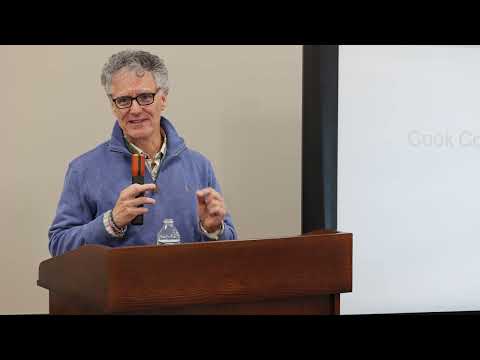
Cook County Sheriff Tom Dart urges local action against human trafficking, outlines enforcement and survivor‑first strategy
Summary
Sheriff Tom Dart told a Lyons Township audience in late May that most trafficking victims are local and described a strategy that prioritizes getting victims into services, using internet investigations, civil pressure on platforms and targeted enforcement against buyers and traffickers.
Cook County Sheriff Tom Dart told a Lyons Township community meeting in late May that human trafficking in the United States is largely a local problem and outlined enforcement tactics that focus on getting victims into services rather than repeatedly arresting them.
Dart said public perception is often shaped by movies and foreign‑nation narratives, but "the vast majority, 90 plus percent of the people ... that are trafficked ... are local women being trafficked by local people." He said victims range widely in age but often include late teens and early 20s.
The Sheriff described a shift in his office’s approach from arrest‑and‑release policing toward an effort to place victims into treatment and build trust so they will identify traffickers. "We'll get them into our custody to get them treatment, to try to fix them," he said, adding that survivors on staff help the office connect with victims.
Dart described how the internet changed the problem: as Craigslist and Backpage moved activities online, investigators had to develop new skills. His office has sued major platforms, pressured payment processors and used undercover ads and bots to identify offenders. He said his team sometimes issues fines for buyers (he estimated roughly $1,500 per ticket), seizes vehicles and uses survivor‑advocates to speak to alleged buyers.
Asked about state support, Dart said Illinois has provided "not a lot" of sustained funding, and he encouraged local actions—training hotel staff to spot signs of trafficking, educating police to coordinate with specialized units and using local nonprofit partners to provide shelter and services.
Dart described legal pushback from companies and said a pro bono law firm helped his office defend enforcement efforts. He said he will continue pressing platforms and other commercial actors to make trafficking harder to run. "I'm just going to keep going after them and keep making their lives difficult," he said.
Upcoming or practical steps Dart urged for communities included educating frontline workers, improving referral pathways to victim services and supporting long‑term housing and clinical programs for survivors. He closed by offering to take audience questions and encouraging residents to call local police if they suspect trafficking.
The presentation proceeded to a Special Victims Unit overview and a longer victim‑services briefing; no formal policy or vote was taken during the event.