Get Full Government Meeting Transcripts, Videos, & Alerts Forever!
Get email alerts on the Neighborhood Plan topic
No spam. Unsubscribe anytime.
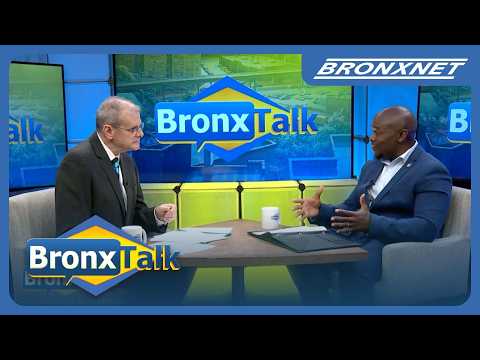
Kevin Riley pitches White Plains Road neighborhood plan as community-led approach to housing and economic opportunity
Summary
City Council Land Use Chair Kevin Riley described a neighborhood plan for White Plains Road that aims to add housing, require community engagement, and use tools such as mandatory inclusionary housing to secure affordability while protecting small businesses and neighborhood character.
Kevin Riley, chair of the New York City Council’s Land Use Committee and the councilmember for the 12th District, said the White Plains Road neighborhood plan is meant to address underinvestment while giving residents a formal role in shaping new housing and commercial development. “If we’re going to add any additional density within our community, why don’t we allow the community to give a say?” Riley told Bronx Talk host Sam.
Riley said the process began in March 2025 and is intended to be deliberate. Neighborhood plans typically take about 18 months, he said, and White Plains Road is taking longer to reach more residents. The plan includes community education about existing zoning, subsidy options and mandatory inclusionary housing (MIH) tools so neighbors understand what density could mean for affordability.
Riley drew on his experience as zoning and franchise chair and on examples from other city projects, including Jamaica and Atlantic Avenue neighborhood efforts, as models for community engagement. He described the plan as a way to pair new housing with investments in parks, schools, libraries and small-business supports so the corridor can function as an economic incubator.
Host Sam raised concerns from the Historic Districts Council about a precinct building at 4041 White Plains Road; Riley said the precinct building itself is landmarked but that the surrounding context warranted attention as the plan proceeds. Riley also emphasized the role of the Department of City Planning (DCP) and community boards in formal review: neighborhood plans should go through the community board, the local member and DCP as part of the process.
Riley acknowledged tensions between labor protections and affordability. He said project labor agreements and union priorities must be balanced with incentives so construction costs do not make projects infeasible, and that members should seek that balance in negotiations with developers.
There is no final zoning action or council vote reported in the interview; Riley described the White Plains Road neighborhood plan as an ongoing engagement process with advisory groups, public working meetings and continuing outreach to ensure residents help shape outcomes.
What happens next: Riley said the council will continue community meetings and advisory-group work and that more detailed proposals will emerge from that process.