Get Full Government Meeting Transcripts, Videos, & Alerts Forever!
Get email alerts on the Data Centers Moratorium topic
No spam. Unsubscribe anytime.
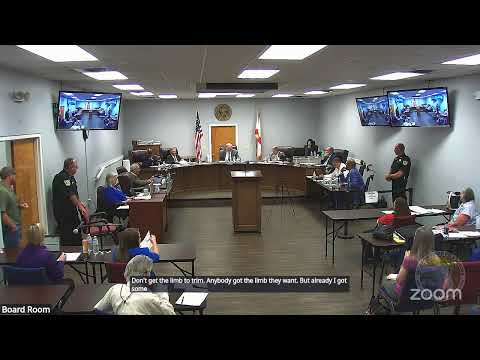
Jackson County commissioners approve one‑year moratorium on data centers after hours of public comment
Summary
After more than an hour of public comment focused on water, noise and local impacts, the Jackson County Board of County Commissioners voted unanimously to impose a one‑year moratorium on new data center construction to allow staff to draft local ordinance language and hold public hearings.
Jackson County commissioners voted unanimously to impose a one‑year moratorium on new data center construction and related approvals, the board announced after an extended public‑comment period filled with local concerns about water, environmental effects and quality of life.
Commissioner Branch moved for the moratorium and the motion was seconded and approved by a 5‑0 voice vote. The county attorney advised the board that Senate Bill 484 (referenced in the meeting) takes effect July 1 and recommended a temporary moratorium so staff can research the issue and return with ordinance language that complies with Florida Statute 65 and other legal requirements.
Why it matters: commissioners and residents said the pause will give the county time to require technical studies, craft enforceable standards and reduce the county’s legal exposure while state law and developer proposals evolve. The attorney told the meeting the moratorium can be renewed or repealed after the study period and recommended proceeding carefully to avoid preemption and litigation.
Residents and speakers urged more public engagement and technical scrutiny. “These data centers can consume millions of gallons of water per day,” said Gabriel Beckworth, an Alford resident, who raised concerns about impacts to Compass Lake and local wells. Speakers cited examples from other counties and states and urged requirements for hydrological plans, discharge filtration and clearer public disclosure of incentive packages.
The county attorney explained that the new state law will allow certain regulatory authority through the comprehensive plan and Land Development Code but also creates confidentiality provisions for incentive packages that could limit public insight into developer agreements. The attorney encouraged the board to complete legal homework and use the pause to ensure any local rules are defensible.
What the board ordered: commissioners set a public hearing for the first reading of a moratorium ordinance on June 9 and directed staff to work with planning and zoning to prepare a draft ordinance and public‑notice schedule. The board chair said the process will include the required PNZ (planning and zoning) hearing and at least two hearings on any ordinance change.
Public involvement and next steps: board members and several speakers suggested forming a citizen advisory panel and holding town halls to gather technical input on water, noise and infrastructure impacts. Staff will return with proposed ordinance language, scheduling details and any recommended technical standards for hydrological and environmental reviews. The first public hearing for the ordinance is scheduled for June 9; further action depends on the hearings and staff recommendations.