Get Full Government Meeting Transcripts, Videos, & Alerts Forever!
Get email alerts on the Disorderly Property Ordinance topic
No spam. Unsubscribe anytime.
Orono committee reviews early data on disorderly‑property ordinance, agrees to boost outreach and revisit fines
Summary
The Orono Good Neighbor Committee heard reports that 30 noise complaints were logged since Aug. 18, with 15 officer visits and seven fines issued after review. Members agreed to step up student and rental‑unit outreach and to reexamine fine caps and doubling rules at a June meeting.
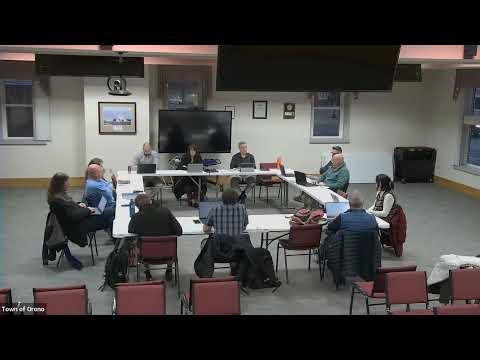
Orono’s Good Neighbor Committee met Nov. 13 to review the first months of enforcement under a recently adopted disorderly‑property ordinance, hear student‑government feedback and outline next steps on outreach and potential changes to the ordinance’s fine structure.
Police Chief Dan Merrill told the committee the department logged 30 noise complaints between Aug. 18 and the previous Monday. Officers visited 15 of those addresses and, after a secondary review, issued seven violations, Merrill said: “I pulled all our calls for service for noise complaints. So that's where you'll see in the data that we've had 30 complaints.” He added officers used discretion to issue warnings in borderline cases.
Town Manager (name not specified in the transcript) said town staff and the chief review incidents together and that the policy approach has emphasized education before enforcement. The manager said the town is tracking incidents more consistently now and intends to present comparative data to the committee: “We can talk a little bit about it… you'll see that is coming around.”
Student representatives told the committee many off‑campus and commuter students were not aware the ordinance existed. A student speaker representing Greek life said outreach should be broadened because “they don't really know about this at all,” and urged campus tabling and targeted mailings to reach renters. Committee members and staff responded with several outreach ideas including rental‑registration inserts, repeated mailings, mailbox and door materials for repeat‑offender houses, and campus events to reach commuter students.
Several students and committee members questioned the ordinance’s doubling rules, which escalate fines after repeat offenses and may increase penalties for late‑night events. One student government reviewer noted a legal memo concluded due process was not being violated but questioned whether some fee amounts were excessive. The town manager told the committee staff would monitor how fines are applied and consider adjustments if rounding or doubling produced unfair outcomes: “I guarantee you there will be no exorbitant fines issued this year.”
Members debated whether the ordinance should rely on a fixed attendance threshold (the existing 20‑person cutoff was described in committee discussion) or on other objective measures, such as impacts that cross property lines or fire‑code limits. Several members said the most disruptive incidents have occurred well after quiet hours — often between midnight and 3 a.m. — and suggested the committee consider whether time‑of‑day or behavior across property lines is a better determinant for heightened penalties.
Town staff described a remediation process for landlords tied to repeat disorderly incidents. In one reported case a landlord began eviction procedures that were later paused or reversed after tenant counsel intervened; staff emphasized that remediation requires landlords to provide tenant names so that new occupants are not penalized for previous tenants’ conduct.
Action items and next steps recorded at the meeting: committee members agreed to repeat targeted communications to students and renters (mailings, rental‑registration inserts and campus tabling) and to reconvene with an updated enforcement report in March or April and a full review of fines and potential caps in June, so any ordinance adjustments can be prepared before the next academic year.
The committee did not vote on ordinance changes at the meeting. Town staff will circulate updated data and recommendations by email as the tracking spreadsheet is updated; the committee expects a June discussion on whether to add caps or amend the doubling scheme.