Get Full Government Meeting Transcripts, Videos, & Alerts Forever!
Get email alerts on the Charter Drafting topic
No spam. Unsubscribe anytime.
Charter commission debates scope of city powers, annexation rules and assessment authority
Summary
Commissioners spent much of the Sept. 24 meeting debating broad 'police‑power' language, whether annexations should require additional voter protections, and the mechanics of assessments and liens; legal counsel provided statutory context and commissioners assigned follow‑up research.
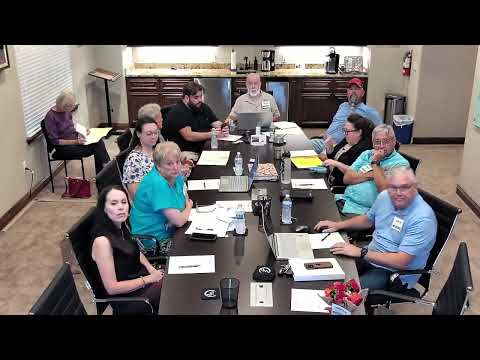
Members of the Willow Park Home Rule Charter Commission spent the bulk of their Sept. 24 meeting debating how strongly to word the document that will define the city's powers and limits.
A central dispute focused on Section 2.01, which in draft said the city "shall regulate a wide range of local activities in order to promote the health, welfare, morals, comfort and safety of the city and its inhabitants." Some commissioners objected that the word "shall" could create a standing duty or invite expansive regulation. "I definitely want to take health out twice because it's not proper," one commissioner said, warning that broad language has been used in other cities to justify measures some residents might find intrusive.
Legal counsel Fritz Qu told the commission that phrasing like "health, welfare, morals, comfort and safety" is longstanding in municipal charters and functions as the ordinary police‑power grant; he cautioned that how those powers are exercised would be determined later by elected council members and by voters. "That phrase in American jurisprudence means that we're giving the city full powers of local self government," counsel said, describing the language as common practice in charters.
The commission also debated annexation rules in Section 2.02. Several members raised concerns about consent or voluntary annexations in which a property owner petitions to join the city and current residents of nearby areas may not be able to veto the move. A commissioner described the risk that promises about services and costs made at annexation could leave existing taxpayers to pay for new obligations. Counsel summarized recent statutory changes that require service plans and noted some annexations are subject to local election procedures; commissioners asked for concrete precedents.
The Chair assigned Jonathan to research examples of charters that require additional voter approval for annexations and to draft alternate language for the commission's consideration. "If we do draw a judicial challenge, we've at least got some precedent to back us up," one commissioner said, arguing the commission should proceed cautiously and with precedents on hand.
Members also discussed assessments and liens: the Chair recounted a 1993 Willow Park assessment used to finance a wastewater system and acknowledged assessments are rarely used but remain a municipal financing tool. Several commissioners expressed concern about the fairness of liens against residential properties and asked for language that would require electoral approval or stronger safeguards before liens can be imposed.
Next steps: counsel will supply legal guidance on annexation and service‑plan implications, and a commissioner will bring examples and suggested charter language back to the commission for its next meeting.