Get Full Government Meeting Transcripts, Videos, & Alerts Forever!
Get email alerts on the Home Rule Charter topic
No spam. Unsubscribe anytime.
Willow Park debate sharpens over charter recall thresholds and proposed ethics board
Summary
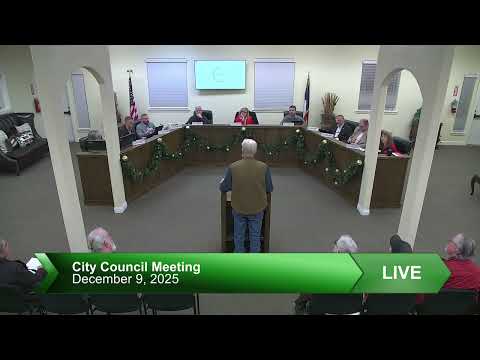
The Home Rule Charter Commission and Willow Park council traded sharp questions Dec. 9 over petition thresholds and an ethics board in a draft charter. Commissioners say legal review is underway; some council members and residents warned a low recall threshold could make elected officials persistently vulnerable.
Jean Martin, chair of the Home Rule Charter Commission, told the City Council on Dec. 9 that the commission has posted a revised draft charter and sent it to the city attorney for legal review, flagging questions about petition thresholds that residents and council members raised earlier.
"Section 9.003 has the language. The charter prepared by the charter commission shall be submitted to the qualified voters of the municipality," Martin said, reading state code language to emphasize the commission's interpretation of the process. The commission scheduled a legal review meeting with the city attorney for Dec. 17 and plans to post answers to town-hall questions online.
Why it matters: The draft includes provisions that would let citizens use initiative, referendum and recall. Several residents, including Carol Wagner during public comment, argued the proposed signature criteria in Article 6 are too low and could allow a small, organized group to force ordinances or trigger recalls. Wagner urged the council to mirror Aledo's thresholds (she cited 20% of registered voters for initiative/ref and 30% for recall) and warned that the draft as written could "weaken the City Council" and "allow too few to wield too much power."
Council members and commissioners debated how to balance accessible citizen power with protections against frequent, destabilizing recall efforts. One council member pointed to recent election math and warned that the thresholds could be lower than turnout for some races: "It would take fewer votes to recall [an official] than voted for her opponent," the member said, calling the bar "ridiculously low." Commissioners noted state law permits a minimum threshold of 5% of registered voters (or a statutory maximum formula) and said they will revisit the precise percentages after the legal review.
A second flashpoint was an ethics board provision in the draft charter that, as written, included investigative powers that some council members said are unusual for cities in the area. Several members urged caution about enshrining investigative or subpoena authority in the charter rather than creating an oversight body by ordinance, which would allow the council to define screening mechanisms and the board's scope later. "Putting it in the charter means it's there permanently unless it's voted out," one council member said, advocating for an ordinance-based approach to avoid brittle or politicized enforcement.
The commission also discussed process questions: whether certain charter elements (such as an ethics board) could be presented as separate ballot propositions rather than an all-or-nothing package, and whether the council and commission should hold joint meetings or additional town halls to improve public outreach. Martin said the commission had begun compiling town-hall questions and will post answers mapped to charter language.
What happens next: The commission's draft is under legal review and the commission and council expect to discuss next steps at a Dec. 17 meeting. Commissioners said they will look for examples about splitting charter questions on a ballot and refine thresholds and ethics-board language based on the attorney's guidance and council feedback.
Ending: Council members and commissioners agreed to continue the conversation after the legal review and additional public engagement; no formal charter vote occurred at the Dec. 9 meeting.