Get Full Government Meeting Transcripts, Videos, & Alerts Forever!
Get email alerts on the County Budget topic
No spam. Unsubscribe anytime.
Escambia County staff warn $79 million hit from proposed property‑tax rollback; advise delaying tax decisions
Summary
County staff told commissioners that House Bill 203 and a related voter referendum could cut an estimated $79 million from the county general fund and about $4 million from the library fund; staff recommended deferring final property‑tax decisions until the state’s special session outcomes are clear and presenting updated figures at a July 23 budget workshop.
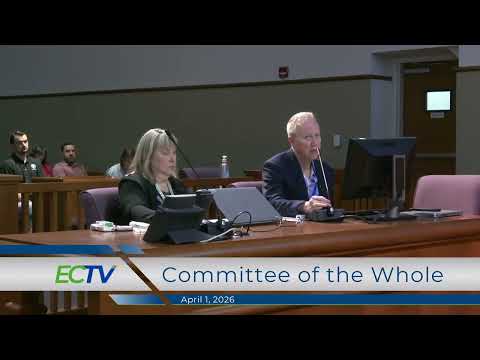
Stefan, the county’s fund governance analyst, told the Escambia County Board of County Commissioners on March 26 that House Bill 203 and an associated voter referendum could reduce the county’s property‑tax revenue by an estimated $79 million, with an estimated $4 million impact to the county library system.
"House Bill 203, as approved, would impact the county general fund at an estimated $79 million and the county library system would have an impact estimated at $4 million," Stefan said during his FY2025‑26 budget briefing. He said roughly 86% of the general fund is fixed — statutory mandates, court and jail obligations and other required allocations — leaving about 11% or roughly $28 million that could be adjusted with policy changes or contractual reconsiderations.
Because the size and timing of any change remain uncertain, Stefan asked the board to wait to make final decisions on property‑tax funding until the state completes any special legislative session and staff can quantify the fiscal impact. He said staff will present updated figures at a July 23 budget workshop.
Commissioners pressed staff on contingency plans. Commissioner Kohler asked what the county would do if the legislature proceeded with deep cuts. Stefan said options under consideration include trimming vacancies, targeted departmental reductions and, for the portion of revenue still collected, modest millage increases for remaining taxpayers, combined with "draconian" service cuts if necessary.
Several commissioners stressed the limits of the board’s authority over constitutionally set budgets. Stefan noted some offices — including the tax collector — operate under statutory formulas and that multi‑year agreements (for example with the sheriff) constrain immediate flexibility. He advised ongoing communication with constitutional officers should significant reductions materialize.
Stephon Allison, the board’s lobbyist, said he expected any special session or ballot language to emerge later in the spring or early summer and cautioned that implementation timelines mean changes could lag into the subsequent fiscal year.
What happens next: staff will provide updated impact estimates to the board after the legislature and any special session conclude and will bring the refined numbers to the July 23 budget workshop for a final decision on property‑tax revenue assumptions.