Get Full Government Meeting Transcripts, Videos, & Alerts Forever!
Get email alerts on the Boating Access topic
No spam. Unsubscribe anytime.
Boating industry urges fee hike to shore up waterways fund, citing decades of deferred maintenance
Summary
The Michigan Boating Industries Association told the appropriations subcommittee that boat registration fees—unchanged since 1993—should increase and pontoon fees should be length-based to fund repairs, new access sites and dredging; presenters cited an estimated $300 million shortfall in infrastructure needs.
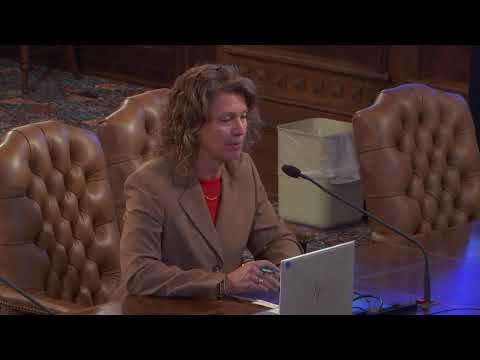
Nikki Poland, executive director of the Michigan Boating Industries Association (MBIA), told the House Appropriations Subcommittee that recreational boating supports about $11.7 billion in annual economic activity in Michigan and that boat registration fees—unchanged since 1993—should be raised to shore up the Michigan Waterways Fund for construction, upgrades and maintenance of launch sites and marinas.
Poland said the Waterways Fund is supported by a portion of the state fuel tax and recreational-passport fees and that registration revenue is constitutionally protected for navigation and marine-safety projects. She said the current three-year motorboat registration that cost $17 in 1993 would be about $39 today if it had kept pace with the consumer price index. MBIA also recommended moving pontoon boats from a flat fee to a length-based schedule and said industry members oppose directing waterways funds to kayak launches and water trails unless paddlecraft users contribute to the system.
Steve Remus, immediate past chair of MBIA and a former marina operator, described local economic reliance on boating amenities and cited a waterways analysis that identified a roughly $300 million shortfall for infrastructure and access improvements.
Members pressed MBIA on surfboat-related rules and why the industry had not anticipated wake concerns. Poland and Remus advocated education and local collaboration over one-size-fits-all setbacks, saying lakes differ and that user-group cooperation can reduce conflict. Committee members also asked about dredging needs; MBIA representatives said state funds currently prioritize public harbors and municipal dredging and suggested flexibility to assist widely used private marinas when appropriate.
The subcommittee did not vote on MBIA’s proposals; members thanked presenters and moved to subsequent business.