Get Full Government Meeting Transcripts, Videos, & Alerts Forever!
Get email alerts on the Surplus Property topic
No spam. Unsubscribe anytime.
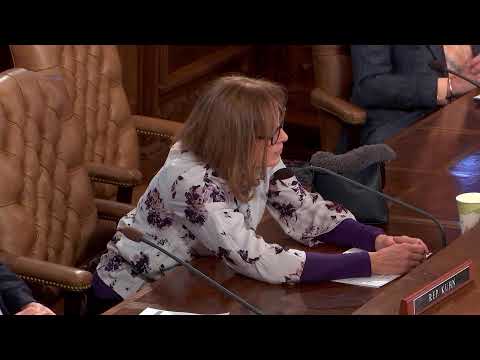
DTMB walks House committee through surplus‑property process as members press on Brighton post and office leases
Summary
DTMB told the House Appropriations Committee it follows a statutory process — agency surplus letter, DTMB review, appraisal, legislative authorization and State Administrative Board approval — and offered to provide follow‑up data on specific leases and the Brighton State Police post after members raised cost and oversight concerns.
DTMB’s Chief Deputy Director outlined how the state handles surplus property disposition, telling the House Appropriations Committee that the process begins when an agency submits a surplus letter and proceeds through DTMB review, due diligence (appraisal, title, environmental reviews) and, when required, legislative authorization and State Administrative Board approval. The department said its authority derives from the Management and Budget Act, Section 251, and noted statutory exemptions for MDOT, DNR, DMVA and the Michigan Land Bank.
Committee members pressed DTMB staff on how many sales were in process and whether unused office space was being identified centrally. DTMB said there were no active sales in the pipeline beyond two recently authorized bills and that one surplus property in the western region was being worked through; an appraisal for a state police post had not yet been completed. “We have no sales or acquisitions in the pipeline right now,” DTMB’s Chief Deputy Director said when asked about active transactions.
Several representatives asked whether DTMB or the originating agencies control decisions about leases and surplus declarations. DTMB responded that agencies must notify DTMB when they determine property is no longer needed, and DTMB then conducts an internal review and notifications, including contacting agencies with real estate authority and initiating due diligence. The department said it conducts annual discussions with agencies about assigned space and follows boilerplate language that aims for an 80% assigned‑space threshold.
A member identified as chair of the Michigan State Police committee told the panel that Brighton Township’s post had been established through a public‑private partnership and alleged the state had later been charged high internal fees for services; he urged DTMB to examine whether earlier local arrangements offered cheaper options for the state. DTMB said it did not have first‑hand knowledge of the historical Brighton arrangements and offered to follow up with details and cost data. “I don’t have knowledge of that. That was before my time in this role. But we can look into that and get some information for you on it,” DTMB said.
Members also sought a roster of landlords, annual expenditures on office leases, and clarifications about how the department defines occupancy. DTMB said occupancy is measured as assigned square footage (an assigned desk counts as occupied even if the employee works remotely) and that it has reduced more than 60 leases while pursuing consolidation into state‑owned buildings. The department pledged to send follow‑up materials to the entire Appropriations Committee on lease lists, occupancy reporting and the specific cases raised in the hearing.
Next steps: Chair Boland asked DTMB to provide the requested follow‑up documents to the committee. No formal votes or policy changes were taken during the discussion.