Get Full Government Meeting Transcripts, Videos, & Alerts Forever!
Get email alerts on the Native Plants Ordinance topic
No spam. Unsubscribe anytime.
Residents urge changes to University Heights’ native-plant ordinance and manual
Summary
At a City Council meeting, dozens of residents urged the city to rewrite its native-plant ordinance and the accompanying manual, citing contradictions between the two, a narrow approved plant list and a recommendation they said endorses herbicide use on private property.
Dozens of residents told the University Heights City Council the city’s proposed native-plant ordinance and its Native Plants Landscaping Manual are at odds and, as written, risk discouraging the very gardening the policy is meant to encourage.
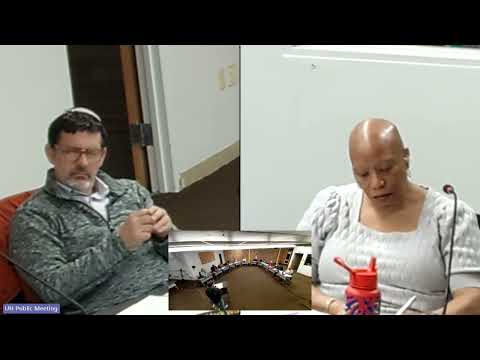
At a public-comment session that stretched across the council’s March 9 agenda, Elizabeth Engelhardt of Friends of the Wall said she collected signatures from neighbors who were “appalled” by the manual’s prescriptions, including requirements about garden-bed shapes and language that commenters read as endorsing herbicide use. “I don’t want the city telling me what to do on my private property,” Engelhardt said.
Why it matters: The ordinance is meant to promote native trees and plants on public and private property, but residents said the manual’s detailed instructions — including limiting recommended species and favoring a seeded full-sun meadow technique — could preclude other forms of native gardening, make enforcement difficult and disincentivize participation.
“Make it simpler, make it easier,” Darlene Floden, a volunteer with Friends DeWalt, told the council, saying the ordinance’s stated purpose to encourage native plantings is undercut by restrictive execution. Floden noted the manual lists 52 plants as preferred choices from hundreds of species on USDA native-plant lists and said that selection appeared driven by taste rather than clear ecological criteria.
Several speakers raised health and enforcement concerns. One resident asked whether city maintenance staff can identify enough native species to enforce a weed‑free requirement; another criticized what she said was the manual’s recommendation to use glyphosate and called that guidance “irresponsible.”
Not all comments were critical. Beth Wachter said her small, volunteer-planted tree-lawn project brought pollinators and neighborhood praise, arguing that attractive native gardens can be accessible to inexperienced residents.
Council response and next steps: Council members and staff said they had gathered public feedback and planned a joint committee meeting the next day to discuss natural-landscape and maintenance issues. Several council members noted frequently asked questions had been drafted for the ordinance review and that a public hearing would be scheduled after further committee work.
What residents asked for: speakers urged the council to (1) involve local gardening and conservation experts in revising the manual, (2) broaden acceptable planting techniques and species beyond a single seeded-meadow approach, (3) clarify enforcement standards and who would be responsible for plant identification, and (4) add cautionary language about utility or emergency work that can remove volunteer plantings along rights-of-way.
A sample quote: “To actually say what shape of a garden bed you want… makes absolutely no sense for gardeners in the city,” Elizabeth Engelhardt said, urging the city to give residents more flexibility.
What wasn’t decided: The council did not vote on the ordinance itself at this meeting; several ordinance-related items were on first reading or slated for additional committee review. Council members encouraged residents to attend the joint committee meeting to provide further input.
Ending: The council moved on to appointments and regular business after the public-comment period; staff said the ordinance and manual would be discussed again at committee with a future public hearing to follow.