Get Full Government Meeting Transcripts, Videos, & Alerts Forever!
Get email alerts on the Early Learning topic
No spam. Unsubscribe anytime.
MI LEAP director outlines FY27 priorities and major investments in early learning and scholarships
Summary
Dr. Beverly Walker Griffia presented MI LEAP's FY27 executive recommendations to the House Appropriations Subcommittee, highlighting expanded PreK access, increased out-of-school-time grants, child-care scholarship funding and proposed scholarship investments to lower college costs.
Dr. Beverly Walker Griffia, director of the Michigan Department of Lifelong Education Advancement and Potential (MI LEAP), told the House Appropriations Subcommittee on Higher Education and Community Colleges that the FY27 executive recommendation preserves department operations while investing in programs to expand early learning, reduce child-care costs and support students pursuing postsecondary credentials.
MI LEAP reported that in FY2026 about 60,507 four-year-olds (56 percent) participated in PreK for All and that the legislature's removal of the Great Start Readiness Program income cap made quality PreK available to every four-year-old, saving families an average of roughly $14,000 per year in child-care costs, the agency said.
The department described the Child Development and Care Scholarship as its largest line item—more than $543 million—and said the scholarship served about 20,556 families and 48,676 children in FY2025. MI LEAP staff said provider payments are reconciled with attendance and that income eligibility verification is handled by the Department of Health and Human Services.
MI LEAP highlighted Tri Share employer participation (more than 300 employers, roughly 950 enrolled families and nearly 1,150 children) and said families participating in Tri Share have collectively saved roughly $13.75 million in child-care costs. The department said it has authority to seek a replacement facilitator if a regional Tri Share fiduciary can no longer operate.
On out-of-school-time programming, MI LEAP said it received 438 grant applications requesting nearly $144 million and awarded funds to 285 organizations with FY2026 funding; the FY27 recommendation would add $60 million to bring total out-of-school-time funding to $135 million.
Turning to higher education supports, MI LEAP said the governor's FY27 recommendation would invest about $753 million in state scholarships and grants (an increase the presenters described as aimed at lowering costs and improving access). The package includes a $232 million increase to the Michigan Achievement Scholarship and a $25 million increase for Michigan Reconnect, paired with a legislative proposal to lower Reconnect's eligibility age to 21.
Committee members pressed MI LEAP staff on program details during a question-and-answer period. In response, MI LEAP said the Child Development and Care scholarship is reconciled against attendance (not just enrollment) and that enrollment as of January was about 47,600 children—representing roughly 27,000 families. The department also said it is convening a dual enrollment task force and is working on targeted initiatives such as the Moving Michigan Males Forward effort.
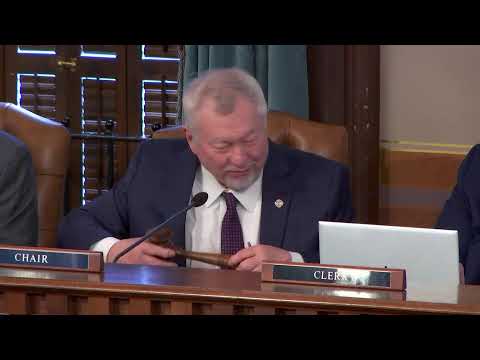
Procedural business at the start and close of the meeting included approval of the June 11 minutes on a motion by Representative Roth and a motion by Representative Rogers to excuse two members; both motions carried with no objections. The subcommittee adjourned after concluding the presentations and questions.
The subcommittee will take no further action in the session recorded in the transcript; MI LEAP and the State Budget Office said they would follow up with additional details at members' requests.