Get Full Government Meeting Transcripts, Videos, & Alerts Forever!
Get email alerts on the Land Use Variance topic
No spam. Unsubscribe anytime.
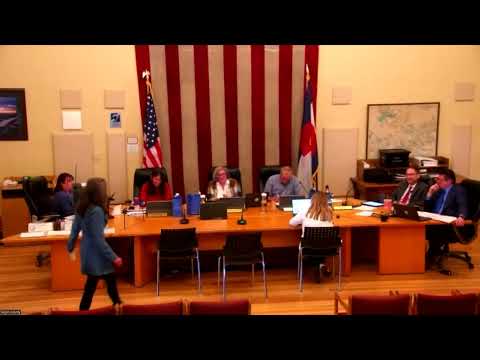
Gilpin County denies fence‑height variance after days of competing testimony
Summary
The Gilpin County board denied a requested increase to fence height near a mining claim, citing zoning criteria and the need to base decisions on property conditions rather than neighbor disputes. The denial was 3‑0 after public testimony about harassment, dust and topography.
The Gilpin County Board denied a request to allow an increased fence height along a property identified in the record as Congress Load Mining Claim (U.S. Mineral Survey 19690; AAN 00688), voting 3‑0 to adopt Resolution BOA 256 and refuse the variance.
The hearing drew multiple residents who described a longrunning neighbor dispute. Donna Okray Perman, a resident of 529 High Point Circle, told the board she and her husband moved to Gilpin County 12 years ago and urged commissioners to “preserve these ordinances” and deny the variance so local rules are not eroded. Brandy Bernard said the fence’s higher section had stopped daily abuse and improved her health: “Since the addition of the fence … I’ve gone up 10 pounds. I don’t go to sleep every night crying myself to sleep,” she said.
The neighbor who opposed the fence, identified in the proceeding as Mr. Price, told commissioners the dispute had caused severe emotional and medical harm and accused the property owner of operating in violation of county rules; he said he planned legal action. The applicant’s attorney said the property owner applied for a variance, that code‑enforcement time was tolled while the case proceeded and that a rehearing had been part of a settlement agreement that paused enforcement while the application was pending. Applicant Chris McFarland told the board the fence helps block visual impacts and dust from an adjacent ATV berm and course.
County staff told the board the building permit on file (Bldg 239) authorized a 150‑foot fence at 8 feet tall and that the measured, on‑site fence length was about 128 feet. Commissioners and staff discussed inconsistent references in earlier hearings and application materials: one prior round of materials referenced a 40‑foot extension while current materials included a requested 64‑foot portion with a 12‑foot maximum height.
Legal counsel and staff repeatedly advised the board that variance criteria under county code apply to the physical or legal conditions of the applicant’s property and not to activity on neighboring parcels. After asking for legal advice in executive session, the board returned and considered whether the application met the required sequential findings (physical condition justifying a variance and that the variance would not harm the public good). One commissioner summarized the test: would the variance cause substantial detriment to the public good or substantially impair the intent of Gilpin County zoning regulations?
After deliberation the board moved to deny the variance based on the staff‑presented criteria. The motion (Resolution BOA 256) was adopted, with the clerk calling the vote as three ayes and no opposition. The public hearing closed at 1:06 p.m.
What happens next: The denial resolves this rehearing; the record shows the applicants previously sought judicial relief under Rule 106 and reached settlement terms that allowed a rehearing. Any subsequent legal or enforcement steps noted by speakers were described as possible court actions and were not decided at the meeting.