Get Full Government Meeting Transcripts, Videos, & Alerts Forever!
Get email alerts on the Immigration Enforcement topic
No spam. Unsubscribe anytime.
Bolingbrook forum briefs residents on rights during ICE encounters, offers legal resources
Summary
At a village forum, a panel of attorneys, the police chief and immigrant-rights organizers explained when federal agents may enter homes or workplaces, urged people to seek legal counsel before immigration interviews, and outlined local services and rapid-response tools.
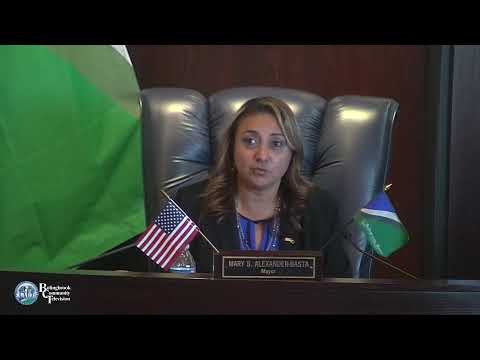
Bolingbrook’s mayor convened a community forum on immigration enforcement that brought together local officials, immigration attorneys and community organizers to explain residents’ rights during ICE encounters, describe how warrants work and connect people to legal and social services.
At the center of the meeting was an explanation of what federal officers may and may not do. Attorney Burton Odelson told attendees that federal agents sometimes lack judicial warrants and that “they're arresting them without warrant,” a practice he said has prompted litigation challenging ICE tactics. Odelson urged people to seek legal counsel and to rely on court-ordered warrants when officers seek entry to private areas.
Immigration attorney Kia Bet Osuna described the complexity and delays baked into the immigration system, warning that some recent policies push toward “mandatory detention” and that family‑based petitions can take many years. “The cruelty is the point,” Osuna said, arguing that enforcement actions are intended to intimidate and prompt people to leave rather than to follow orderly legal processes.
Panelists emphasized practical steps residents can take. Attorney Joe Giamanco recommended documenting encounters on video and obtaining identifying information if a detention occurs, including an individual’s A‑number, which can be used on the ICE detainee locator. A panel attorney explained the legal difference between judicial warrants—signed by a judge and limited in scope and time—and administrative warrants, which are internal DHS documents and do not alone authorize forced entry into private workplaces or homes.
Bolingbrook Police Chief said the department will respond to all 911 calls and verify credentials of any federal officers on a scene. The chief said body cameras and incident documentation will be used in accordance with department policy, but he cautioned that local authorities cannot halt federal enforcement actions that are within federal authority. He encouraged residents to call 911 so the department can check credentials and render assistance.
Salome, project supervisor for Illinois Workers in Action, outlined local services available to residents, including "Know Your Rights" presentations, rapid‑response training, legal referrals through Access to Justice, food deliveries and family‑preparedness planning such as guardianship and powers of attorney. She urged people to use vetted attorneys and be wary of scammers promising guaranteed relief.
Panelists also addressed the Broadview processing facility, saying it is a focal point for protests because of reported overcrowding and difficult conditions there; they said elected officials have had limited access to inspect the site. The session closed with announcements of upcoming local events and promises to post links and forms online so residents can access resources.
The forum did not produce any formal votes or local ordinances. Organizers encouraged residents to record encounters, consult qualified immigration counsel before interviews or hearings, memorize key contact information for family members and use community rapid‑response networks for assistance.