Get Full Government Meeting Transcripts, Videos, & Alerts Forever!
Get email alerts on the Curriculum Ethnic Studies topic
No spam. Unsubscribe anytime.
Chico Unified approves pilot ethnic-studies courses for high schools with review plan
Summary
The board unanimously approved three new high-school ethnic-studies course proposals (Human and Cultural Geography, United States History and Cultures, World History and Cultures) as a pilot for the first year and asked teachers to return with enrollment and student/community feedback.
Chico Unified School District on March 12 approved three new high-school ethnic-studies course proposals designed to meet California's AB 101 requirements, adopting a substitute motion to approve the pilot for one year and request follow-up reporting.
District presenters described three courses: a yearlong World History and Cultures course intended for 10th graders, a yearlong United States History and Cultures course for 11th graders, and a semester Human and Cultural Geography course offered for 9th–12th graders. The presenters said the curriculum development included staff, administration and community participation coordinated with university professional development and the Glenn County Office of Education.
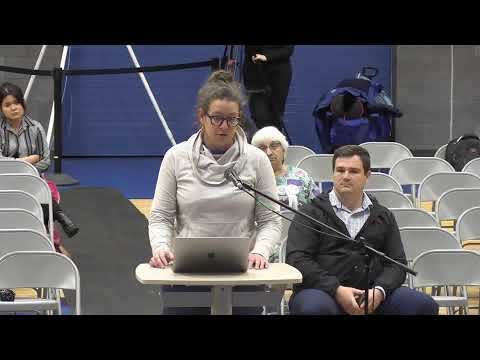
"This is a follow up to the February 19th ethnic studies presentation that we presented to the board," the presenter said, noting the courses are part of the AB 101 ethnic-studies requirement and must be offered by the 2025–26 school year. Teachers on the committee emphasized that the adoption year will be a pilot and that the committee plans to convene during and after the year to gather student and community feedback.
Board members asked about community involvement in curriculum development and instructor training to ensure balanced, nonpartisan delivery. "I think it is super important to have community input," teacher Christine Montgomery said, describing prior trainings that brought community members into curriculum design. Another board member asked whether the state model curriculum guidelines were followed; presenters confirmed they used the California state framework.
Because some trustees wanted a structured review, the board approved a substitute motion to adopt the courses for the coming year with a request that presenters return next year with enrollment numbers and student and community feedback so the board can reassess. The substitute motion carried unanimously.
The district emphasized the course offerings are a pilot year and that ninth graders will have alternative options such as career planning or health, depending on registration.
Next steps: teachers will implement the pilot, collect data on enrollment and student feedback and report to the board as requested.