Get Full Government Meeting Transcripts, Videos, & Alerts Forever!
Get email alerts on the Budget Utilities topic
No spam. Unsubscribe anytime.
Franklin council weighs utility fee increase and HR spending as residents press for relief
Summary
At a May 26 work session, Franklin City Council discussed a proposed roughly 7% increase to a utility user fee (described by staff as under one penny per kilowatt-hour), creation of a citizen utilities advisory board and a contested proposal to boost human-resources funding; residents told the council the increase could hurt people on fixed incomes.
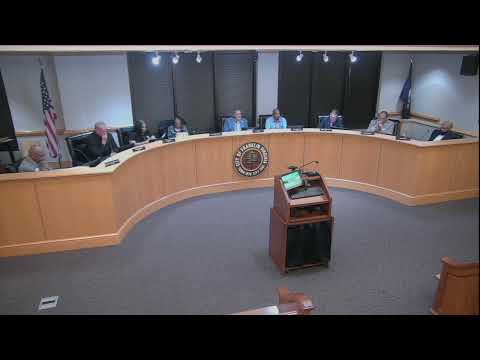
Mayor Kaplan presided over a May 26 Franklin City Council work session in which council members and staff debated parts of the proposed fiscal 2027 budget that would affect utility customers and city staffing.
City Manager Freeman said the proposed utility adjustment is intended to help replenish utilities’ depleted reserve funds and cover increasing energy costs, calling the system "user based" and noting that energy markets are driving higher costs for the city. "We've been running through depleting the reserve funds at an unattainable rate at this point," Freeman said.
Residents in the gallery urged the council to consider low-income households. "When you have people in our community that are struggling to pay medicine, food, or pay their life bill, that's something that's critical," a resident said during citizen time, urging more direct relief for vulnerable customers.
Council members discussed establishing a citizens advisory board for utilities to propose relief programs and review options. One council member described the advisory board as a way to "allow the citizens to offer suggestions and advice" and to identify relief programs that could help qualifying households.
Council members also debated a proposed increase in the human-resources budget and a recent relocation of HR offices to an incubator building. Critics said the move and the higher proposed HR budget need clearer justification. "I don't see where throwing more money at human resources is going to help" without evidence of improved outcomes, one council member said. Supporters argued targeted HR investment could reduce turnover and improve recruitment, pointing to job fairs and broader search capabilities as near-term strategies.
A separate budget-related request from the electoral board prompted discussion: Pearlie Banks, chair of the Franklin City Electoral Board, asked for additional funding to staff newly mandated Sunday voting hours and to cover training for a new director. Council members suggested staff and legal guidance and said they would revisit the specific appropriation during the budget process.
Next steps: the council will continue the budget process and follow the statutory timeframes for final action; staff said they will work with social-services partners and the proposed advisory board to explore relief options for low-income residents.