Get Full Government Meeting Transcripts, Videos, & Alerts Forever!
Get email alerts on the Zoning Data Center Warehouse topic
No spam. Unsubscribe anytime.
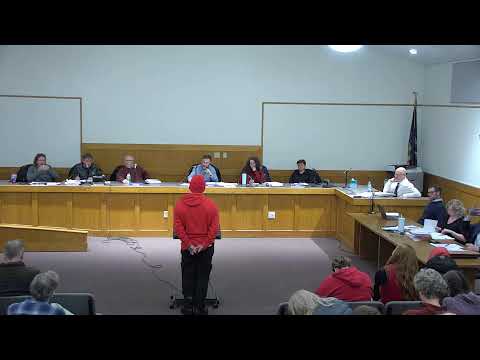
Lansing ZBA keeps public hearing open after residents urge that proposed AI data campus cannot be treated as a warehouse
Summary
The Zoning Board of Appeals heard hours of public comment arguing a proposed high‑performance computing/AI campus at 228 Cayuga Drive should not be classified as a warehouse; the board closed oral comment, asked for written rebuttals, and will deliberate at a future meeting.
The Town of Lansing Zoning Board of Appeals on Monday heard extended public comment and legal argument over whether a proposed high‑performance computing (HPC) or AI data campus at 228 Cayuga Drive may be classified under the town code as a warehouse or as a permitted scientific research laboratory or general processing use. After hearing residents, counsel for intervenors, and the applicant's CEO, the board closed oral testimony and left the matter open for written submissions before deliberate consideration.
Why it matters: The classification determines whether the project is allowed by right in the IR zoning district or whether allowance would require a zoning amendment or other formal approvals. Residents and intervenors told the board that treating a large‑scale data campus as a warehouse would circumvent the town's zoning controls and potentially expose neighbors to outsized electricity consumption, industrial cooling and wastewater demand, noise and hazardous electronic waste streams.
Residents and counsel pressed the board to uphold the town's code enforcement officer. “A data center's principal use…is continuous energy‑intensive computation,” Amy Caffrey told the ZBA, arguing that “calling a modern AI data center a warehouse for servers is like calling a power plant a warehouse for turbines.” Several Lansing residents, including Gaye Nicholson and Harold Mills, urged the board not to reclassify such large installations administratively and to respect the CEO's Nov. 10 determination that the proposed facility is not a permitted IR district use.
The applicant's position: Paul Prager, who identified himself as the company's CEO, said the site will function as a digital repository where tenants place high‑performance computing racks and run continuous computation. Prager described the facility's activities as scientific research and said, when pressed about the best fit under the code, “I would say scientific research laboratory.” The applicant's representatives argued that data can be treated as a commodity and that modern notions of a 'warehouse' can include digital repositories and processing.
Legal framing and public testimony: Steven, an attorney representing Finger Lakes Strong, emphasized that the town ordinance uses terms such as “general processing” and “goods” in ways that, historically and legally, refer to tangible items; he said reinterpreting those terms to cover virtual data operations would amount to rezoning by administrative action rather than a matter for the town board. Multiple residents pointed to the lease for the Cayuga property and published company descriptions when urging the board to consider scale and infrastructure impacts in its interpretation.
Next steps and procedural limits: The ZBA's chair told participants the board would not reopen oral public comment at the deliberation meeting and asked parties to submit any additional written materials before the board meets again; he said the board planned to review submissions, deliberate and then vote. The chair asked that written rebuttals be submitted by the close of business on the 19th; the board left the precise deliberation date set for the next meeting. The board then voted to close the public hearing.
What remains unresolved: The transcript records substantive disagreement over whether the proposed operation is properly characterized as warehouse storage, general processing, or scientific research laboratory. The board did not make a final determination and scheduled only further written submissions and deliberation. The question of whether the town must amend its zoning code to explicitly address data centers remains a policy issue the ZBA said should be decided by the town board rather than by administrative reinterpretation.
The ZBA's recorded proceedings and the written submissions will form the basis for the board's forthcoming deliberations and vote. The public was reminded how to submit documents for inclusion in the record.