Get Full Government Meeting Transcripts, Videos, & Alerts Forever!
Get email alerts on the Accessory Dwelling Units topic
No spam. Unsubscribe anytime.
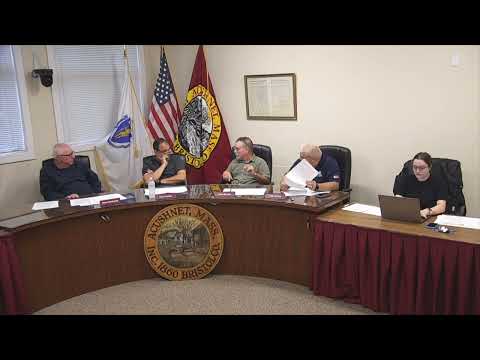
Acushnet planning board debates ADU bylaw, sewer betterment fees and one‑bedroom limit
Summary
On Sept. 19 the Acushnet Planning Commission reviewed revisions to a proposed accessory dwelling unit (ADU) bylaw that would limit homeowners to one additional ADU by special permit, include permitting caveats (including possible fire‑department review), and noted sewer betterment and tie‑in fees that could be roughly $6,000–$13,000 per unit.
The Acushnet Planning Commission on Sept. 19 reviewed a revised accessory dwelling unit (ADU) bylaw that would allow only one additional ADU per property by special permit and add language clarifying that permits from other departments — including water, sewer and potentially fire — may be required.
Victoria Alfaro, the town planner, told the board the draft includes two primary revisions from earlier versions and recommended the commission circulate a final draft to the Zoning Board of Appeals (ZBA) and municipal departments for review before scheduling public hearings. "There was two revisions in this draft. The first one was to include the comments from the last meeting ... which was to limit, the you can only get one additional ADU by special permit. That is a requirement to have that in there per the state law," Alfaro said.
The commission discussed whether to restrict permitted ADUs to one‑bedroom units to reduce demand and infrastructure impacts. A member who spoke at length about sewer costs said limiting size could "help reduce the burden." He described the town's sewer betterment and tie‑in fees as a significant barrier to creating ADUs, giving recent figures from local experience: "It would cost me, you know, over 12,000. It was $13,000 for the privilege fee to add another unit before you can get started," the member said, and in some cases off‑betterment connections were roughly $6,000.
Alfaro also reported that the fire chief had followed the board's prior meetings and asked that the ADU draft include language allowing for fire‑department approval in specific circumstances because of issues other towns have seen; she said the chief reviewed the proposed language and "was okay with that." The board agreed the draft could include wording such as "permitting from other departments may be required, including but not limited to water and sewer."
Board members directed staff to update the draft to reflect the discussion, send it to the ZBA to confirm whether the ZBA wishes to retain special‑permit authority for additional ADUs, and then circulate the revised draft to conservation, health and other departments. Alfaro said the commission should expect the public hearing process to occur in the spring once departmental reviews are complete.
Why it matters: limiting ADUs to one additional unit and one bedroom could reduce housing supply potential while protecting neighborhood infrastructure, but significant upfront sewer betterment and tie‑in fees may deter homeowners from creating ADUs even where the zoning permits them.
Next step: Victoria Alfaro will incorporate the board's comments into a revised draft, send it to the ZBA for feedback, then forward it to town departments for technical review ahead of public hearings in the spring.