Get Full Government Meeting Transcripts, Videos, & Alerts Forever!
Get email alerts on the School Finance topic
No spam. Unsubscribe anytime.
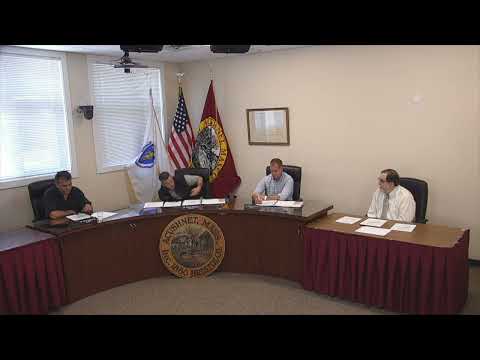
Acushnet select board debates using one-time funds to cover school costs and repay roof bond
Summary
Select board members discussed Article 9 (use of $550,000 in solar tax revenue to pay school roof bond) and Article 11 (authority to withdraw from the special-education reserve), with one member warning that using stabilization funds or one-time revenue for recurring school costs could create a structural deficit.
The Chair introduced Article 9, a proposal to transfer $550,000 from solar tax revenue into the special capital expenditure fund to pay down the school roof bond, reduce interest payments and lower taxpayer costs over time. The board also reviewed Article 11, which would authorize the withdrawal of school special-education reserve funds under Massachusetts General Laws Chapter 40, Section 13E to cover unanticipated special-education expenses.
One select board member criticized requests to draw on one-time stabilization or reserve funds for budget shortfalls, calling a proposed $189,000 draw ‘‘a structural deficit’’ that would push costs onto taxpayers next year. That member urged the school department to absorb unexpected costs through internal savings and questioned recurring staffing and curriculum expenses, saying, “We’re just crushing our residents” by adding one-time revenue to the operating base.
The Chair and staff emphasized the board’s support for education while noting the legal purpose of Chapter 40 §13E (allowing transfers for out-of-district tuition, transportation or unanticipated special-education costs) and that the spring operating budget may already have accounted for some items. Staff and members agreed to gather precise figures—including outstanding bond balance, interest expense and the availability of dissolved prior-year article funds—before the board acts. No final vote was taken; the board asked staff for detailed reconciliations and options for limiting exposure (for example, a capped authorization or town-meeting amendment) to avoid creating recurring obligations from one-time funds.
The exchange highlighted tensions between cost control and ongoing support for school services; members requested additional documentation ahead of the next meeting.