Get Full Government Meeting Transcripts, Videos, & Alerts Forever!
Get email alerts on the Procurement Media Bill topic
No spam. Unsubscribe anytime.
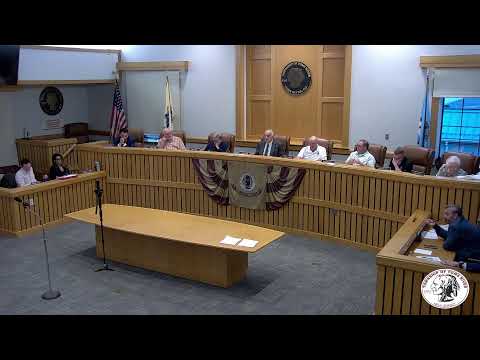
Toms River council splits over paying small local media invoice amid claims of defamatory coverage
Summary
Council members argued over whether to pay an invoice to Shore Media and Marketing LLC for advertising already published; opponents said refusal risks a lawsuit and supporters said they would not fund what they described as slanderous coverage. The council pulled the PO, approved the rest of the bills, then voted separately on the Shore Media payment.
A dispute over a purchase order for Shore Media and Marketing LLC turned into one of the meeting’s most contentious moments, with council members and the mayor arguing about press freedom, contractual obligations and fairness.
The conflict began when a council member described Shore Media as the mayor’s "personal newspaper" and said he had used it to attack council members. Other members and the township attorney warned that refusing to pay for advertising already rendered could expose the township to a First Amendment and contract lawsuit.
Council Vice President Nieveson moved to pull PO 26-02071 (Shore Media and Marketing LLC) from the bills list for separate consideration; that motion passed and the council later approved the balance of the bills excluding Shore Media.
At the separate roll call on the Shore Media invoice, the council recorded a divided vote. Councilwoman O'Toole voted to pay the bill; Councilmen Bradley, Bianchini and Vice President Nieveson voted no on payment; others voted yes or abstained on related items. One council member noted that the services had already been rendered and that failing to pay could leave the township subject to a judgment.
During the exchange, several speakers framed the issue as a fairness question — asking for an opportunity for rebuttal in the outlet’s pages — while the administration’s legal advisor cautioned that targeting payment decisions based on coverage risks costly litigation.
The council’s votes split along fault lines between members who said they would not fund advertising tied to coverage they regarded as defamatory and members who warned that nonpayment for rendered services would be legally risky.
The record shows the council followed a two-step process: first approving the bills list minus the Shore Media PO, then voting separately on the pulled invoice.