Get Full Government Meeting Transcripts, Videos, & Alerts Forever!
Get email alerts on the Solar Development topic
No spam. Unsubscribe anytime.
Neighbors press commission on flood, wildlife and health concerns at proposed 211 Middle Road solar farm
Summary
A proposed ground‑mounted solar array at 211 Middle Road drew extensive public comment Tuesday in Acushnet over stormwater and flooding risks, wildlife loss and a letter warning of health effects; the conservation commission paused the hearing pending a peer‑review report.
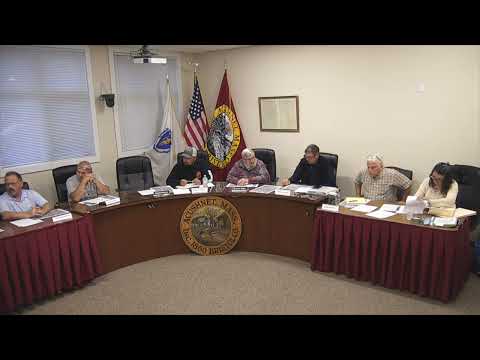
Acushnet — Residents pressed the Conservation Commission on Tuesday over a proposed ground‑mounted solar array at 211 Middle Road, raising repeated concerns that the project’s stormwater design could worsen flooding, reduce wildlife habitat and harm property values.
“For the record, Sarah Stearns. I’m a professional wetland scientist with Beals & Thomas,” the project’s consultant said, telling the commission the proposal is limited to work in the 100‑foot buffer and that “no wetland impacts are proposed as part of this project.” Stearns said an on‑site detention basin, drainage swales and helical pile foundations were designed to meet state and local stormwater standards and that the town had retained a peer reviewer, Bill Madden, to check calculations.
Neighbors said they were not reassured. John Bennett, who said he has lived on Mary Drive 50 years, told commissioners, “This all scares me a lot,” saying past storms already force water into his yard and that he worries the array’s grading and berms would push more runoff toward homes. Other residents said test pits and soil information in the filing raised questions about the detention basin’s capacity.
A letter read at the hearing on behalf of Debbie Cassidy included health and environmental concerns that the author said could accompany a solar farm, asking for a taller screening fence and a guarantee that the developer would maintain landscaping; the letter stated, “Living next to a solar farm gives off electromagnetic radiation, which may reduce life expectancy,” a claim the commission did not verify and that planning and peer review will need to examine more fully.
Commissioners repeatedly emphasized process limits. The body’s chair said the conservation permitting step is focused on buffer‑zone work and wetlands; zoning and setback rules — including how close panels may be to property lines and required screening — fall to the planning board. Several commissioners said those matters will be discussed at planning and that the town’s retained peer reviewer will audit the stormwater calculations.
The applicant said the array would avoid direct wetland impacts, hold a 25‑foot offset from the wetland line where practicable and use helical foundations rather than pile driving to reduce noise and vibration. Neighbors asked whether soils would be stripped or reused, where any construction spoils would go, and whether the developer would commit to maintaining plantings and fencing long term.
Because of the technical questions and public concern, the commission voted to continue the hearing to allow Bill Madden’s peer‑review comments to be received and for planning‑board notice and input; the applicant said it would be amenable to the extra time. The hearing will be reconvened at a later date with peer‑review findings and additional plan materials.