Get Full Government Meeting Transcripts, Videos, & Alerts Forever!
Get email alerts on the Budget Workbook topic
No spam. Unsubscribe anytime.
Budget workbook shows small preliminary deficit; trustees weigh pay options, project financing and potential savings
Summary
Administration presented an interactive budget workbook with projected revenues of $107,970,616 and proposed expenses of $108,076,179 (a preliminary deficit of about $105,000), plus personnel and project options including $5M–$10M financing scenarios and proposed stipend and position savings.
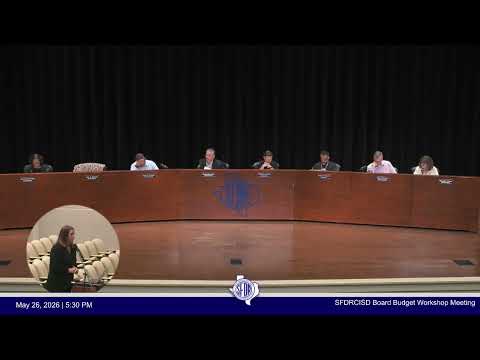
Amy Childress, presenting the district’s interactive budget workbook, outlined pay‑increase scenarios, personnel adjustments, possible project financing and a preliminary estimate of revenues and expenses.
For payroll, Childress said three TASB scenarios were modeled: a 2% general pay increase (estimated cost $1,909,401), 3% ($2,611,324) and 4% ($3,327,407). For personnel line items she showed options to increase athletic stipends (a 50% increase would cost an estimated $76,112; a 100% increase about $152,223), and proposed the non‑renewal of a curriculum and instruction director position as a potential $135,019 savings. She also noted roughly $500,000 in budgeted “hold” positions that could be removed for savings.
On insurance, the workbook demonstration included two employee‑contribution scenarios for some 1,235 employees across five tiers: the lower‑contribution option would generate about $496,234 toward six months of increased premiums; a higher‑tier option would generate about $566,547. Both include an Affordable Care Act cap (~9.02%) for higher tiers.
Childress reviewed sustainability and technology projects (about $2,087,220 for operations projects and $575,000 for technology if all items were selected) and three project‑financing examples if the district chose to borrow on its maintenance and operations: $5 million (estimated annual cost $370,183), $7 million ($518,187) or $10 million ($740,296).
Using the workbook demonstration selections (no pay increase selected, certain position savings flagged and $1.5 million set aside for insurance), Childress reported projected revenues of $107,970,616 and proposed expenses of $108,076,179, leaving a preliminary deficit of roughly $105,000. She stressed the workbook is a work in progress; projects and positions can be toggled in the model and administrators still expected to reconcile projected income (Moe Casey had not yet verified projected income at the time of the workshop).
Board members asked when they would receive access to the workbook and whether a follow‑up workshop or one‑on‑one reviews were preferable. Childress recommended waiting for outstanding insurance quotes before finalizing the interactive workbook; the trustees agreed to post an agenda for another meeting a week from the workshop at 5:30 p.m. and to offer one‑on‑one walkthroughs for members who could not attend.
Next steps: administrators said they will circulate corrected insurance and workbook materials, complete the outstanding verification of projected income and return with updated figures before the June budget adoption timeline.