Get Full Government Meeting Transcripts, Videos, & Alerts Forever!
Get email alerts on the Comprehensive Plan Implementation topic
No spam. Unsubscribe anytime.
Planning commission seeks direction on implementing Plan Rutherford; staff to begin zoning and subdivision updates
Summary
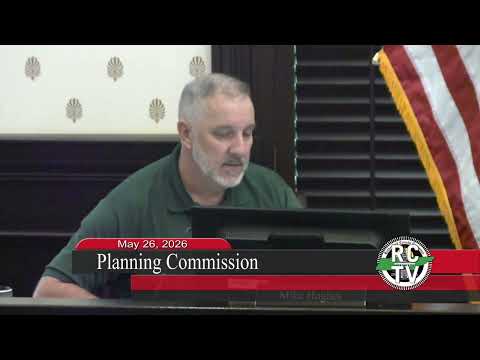
Commissioners discussed short-term steps to implement Plan Rutherford on May 26, focusing on zoning ordinance updates, subdivision regulation amendments, conservation subdivision standards, and aligning capital improvements with development. Staff agreed to begin drafting recommended amendments and return to the commission.
At the May 26 meeting staff presented implementation options from Plan Rutherford and asked the planning commission where to begin. The presentation highlighted chapter 5 (moving forward) and pulled several short‑term recommendations from chapter 4 for possible immediate action.
Planner Doug DeMasi said staff had highlighted a handful of items staff viewed as "low hanging fruit," including voluntary agricultural districts, conservation subdivision design standards, and targeted subdivision regulation amendments. DeMasi said changes to state law will require some updates to county processes and staff would begin drafting recommended language.
Commissioner Jim Thompson urged prioritizing the capital improvements process (SIP) and school capacity, saying the commission should be able to pause or direct development in areas where roads or schools are at capacity. "If we cannot get on the timeline of being able to do that, we at least need a fail proof mechanism that says until this gets fixed, we reserve the right as this body to be able to say, we just can't approve that right now," he said.
County legal counsel summarized constraints posed by vested‑rights statutes, noting developers can rely on the design standards in effect at the time of an initial approval if they have commenced construction in good faith. Staff and the commission discussed the possibility of targeted subarea plans and shorter-term ordinance amendments as practical starting points.
Outcome: Staff will begin work on recommended zoning ordinance amendments and certain subdivision regulation changes (for example, conservation subdivision provisions) and return to the commission for direction. Commissioners expressed interest in coordinating the planning recommendations with capital improvement planning and the mayor's office.
Why it matters: Changes to zoning and subdivision regulations guide future development density, conservation outcomes and infrastructure timing; the commission's direction shapes county policy on housing growth, roads and school impacts.