Get Full Government Meeting Transcripts, Videos, & Alerts Forever!
Get email alerts on the Operations topic
No spam. Unsubscribe anytime.
Batavia board hears operations report: lunches up, cashless payments expand, BFAC reach grows
Summary
District operations staff reported a 22% increase in lunch participation with vendor Organic Life, progress toward a 90% digital‑payment goal (four schools exceeded 90% cash reduction), BFAC outreach and ADA upgrades, and near‑99% on‑time transportation performance; driver recruitment remains a challenge.
District operations staff gave a multi‑department update on May 26, reporting gains in food service, payment systems, arts‑and‑events reach and transportation performance.
The business office said lunch participation rose 22% year over year after switching to vendor Organic Life; district officials said cultural menu options and active vendor engagement helped the increase. The district also pursued a digital‑payments goal aimed at reducing cash handling by 90% and reported four schools met or exceeded that target in year one, freeing staff from cash collection tasks.
Dominic (BFAC staff) briefed the board on the Batavia Fine Arts Center’s activities: about 20,000 paid tickets were recorded (not counting free events), a 40% increase in outreach attendance for pay‑what‑you‑will programs and expanded student internship and cross‑training offerings. Dominic said planned upgrades this summer include hearing‑assistance systems for the main stage and black box and continued efforts to link BFAC work to curricular goals.
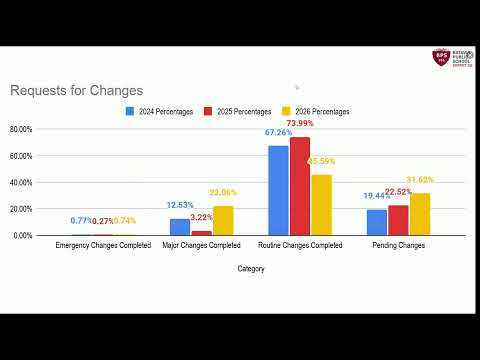
Facilities staff reported work‑order response times averaging about 1.7 days and resolution times near five days, with summer projects (Louise White flooring, Storm site work) intended to reduce backlog. Transportation reported on‑time metrics of roughly 98.8–99.0% across 32,886 tracked routes and noted 321 late events during the tracked period; the department cited driver recruitment and bell‑time spacing as ongoing operational constraints.
Board members asked for additional breakdowns (for example, outcomes of disciplinary incidents, categories of work‑order backlog and the most frequent discipline consequences) and encouraged clearer public communication about BFAC’s educational role.
What’s next: facilities staff plan meter installs and indoor‑air monitoring dashboards over the summer; transportation and business office staff will refine reporting on late routes, cashless‑payment progress and parent options for cash transactions.