Get Full Government Meeting Transcripts, Videos, & Alerts Forever!
Get email alerts on the Special Events topic
No spam. Unsubscribe anytime.
Guadalupe council votes to decline proposed two-day festival after debate over cannabis zone and scale
Summary
After a detailed presentation from Route 1 Presents, the Guadalupe City Council voted to decline moving forward with a proposed two-day Guadalupe Greens/Harvest festival at Jack O'Connell Park, citing concerns about event size, neighborhood impacts and a temporary cannabis village despite organizers’ safety and revenue assurances.
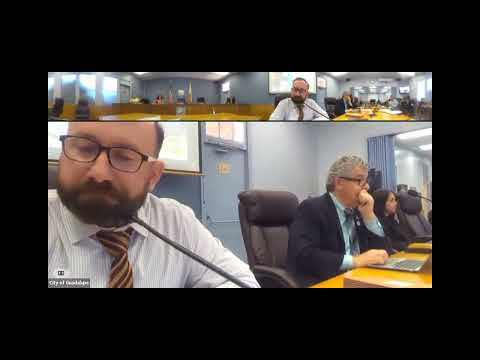
A proposal to stage a two-day music and culture festival at Jack O'Connell Park — including a segregated, state‑compliant cannabis village — failed to win support from the Guadalupe City Council on Thursday, which voted to decline moving forward with permitting and marketing authorization.
Organizer Austin Canela of Route 1 Presents described a detailed plan for a Sept. 19–20 event that he said would draw up to 10,000 people per day, create temporary local jobs and deliver roughly $60,000–$100,000 in direct city revenue from a proposed $4 daily ticket surcharge and ancillary sales taxes. "This festival is built to change that. It's locally owned, locally rooted with real protection for the community and real money staying here," Canela said during his presentation.
Council members split over whether the festival’s potential economic benefits outweighed community and safety concerns. Several members said the scale and the proposed cannabis component were inappropriate for Guadalupe at this time. "I think this event is too huge for Guadalupe," Mayor Julian said during the debate, adding that the city’s population is under 9,000 and that weekend attendance estimates would bring more visitors than the town’s residents.
Canela and staff stressed regulatory safeguards. He said the cannabis area would be fully enclosed, id‑checked and run under the existing local operator’s license and a Department of Cannabis Control (DCC) temporary-event permit; consumption would be confined to an opaque perimeter and close 30 minutes before the main stage each day. "There would be a single staffed entry and a single staffed exit where age would be strictly enforced — 21 and over with government issued IDs with no exceptions," Canela said.
Staff legal analysis indicated the city’s park policy that generally bars smoking and consumption could be overridden by a special events permit and that state rules provide a framework for controlled cannabis premises. But council members voiced lingering worries about normalizing cannabis in a community with a high share of youth, potential traffic and noise spillover into residential areas, and the city's capacity to manage a large temporary event. One council member noted two written public comments on record opposing the festival on safety and public-health grounds.
After discussion the council considered a motion to decline to move forward with the proposed festival (the item presented as option "d"). The roll-call vote recorded in the meeting minutes showed the motion passed; the mayor announced the motion carried and staff thanked the presenter for the work done on the concept.
What’s next: The organizer was thanked and told staff would continue to coordinate with applicants on event policy as appropriate. Council members and staff signaled interest in developing a standalone special‑events ordinance to clarify permitting standards for future large events.
(Reporting note: quotes and attributions derive from the council meeting transcript.)