Get Full Government Meeting Transcripts, Videos, & Alerts Forever!
Get email alerts on the Compost Facility topic
No spam. Unsubscribe anytime.
Lower Paxton updates residents on compost operations, DEP compliance and mitigation steps
Summary
Township officials summarized a six-month response to resident complaints about the compost facility and closed landfill, citing dust-suppression equipment, methane monitoring, noise berms, DEP inspections with no violations and a pending optimization study priced at $38,000.
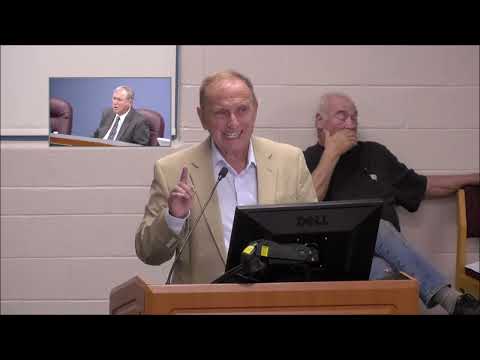
Director Jaroslawski provided a public update on the township’s composting and closed-landfill operations, telling the Board of Supervisors the township has taken several steps over the past six months to address resident complaints and to comply with DEP permit requirements.
Jaroslawski said the township purchased and is retrofitting a tanker truck for on-site dust suppression, installed a wind sock, and set a written policy to halt compost operations when wind speeds exceed 10 knots. He reported routine landfill methane probes show no detectable gas migration and that the township, in partnership with HRG, has installed 19 in-home methane detectors with eight more pending; replacements will be available at public works via a 1-for-1 swap with proof of residency.
To reduce equipment noise and the risk of debris, Jaroslawski said mulch berms have been erected and will be raised where needed, equipment use is restricted on Fridays to limit activity near homes, and speed bumps were installed at the commercial entrance. He acknowledged a resident’s report of a small twig found on private property during windrow turning but said a review confirmed the equipment operated within safe distances and the twig may have come from another source.
On odors, Jaroslawski described the composting process controls—oxygen, moisture and temperature monitoring—and said the township documents weekly temperature checks of each windrow to ensure aerobic processes that reduce odor. He noted the 2026 budget proposal included funds for a dedicated water line to improve dust suppression and compost moisture control.
Jaroslawski reviewed recent regulatory contacts: DEP completed a general permit renewal and a compost-facility observation in June 2025 and a closed-landfill DEP inspection in October 2024 that identified no violations; he said DEP funded the township’s May 2025 technical assistance study and its recommendations are being used as a roadmap for communication, recordkeeping and mitigation efforts.
He listed completed steps the township has taken: submission of an improved nuisance control plan, completion of a preparedness/prevention/contingency plan (June 2025), renewal of the general permit (June 2025), routine methane testing (August 2025), and a June 2025 DEP compost observation. Jaroslawski said the township issued an RFP for a compost facility optimization and community-impact mitigation study; the RFP received no responses in June but one response in July from SCS Engineers at a proposed cost of $38,000. That study is on hold pending review and negotiation.
Board members asked for copies of the CSC engineers report (dated 05/21/2025) and clarification about whether the board had previously reviewed it. Jaroslawski said the report was completed during his onboarding and offered to review it with supervisors. Supervisor Thompson asked how closely DEP had been involved with the May 2025 report; Jaroslawski said DEP organized and funded the study.
Jaroslawski concluded that the township remains committed to continuing DEP recommendations, improving oversight, and evaluating long-term options—“including the potential for relocating the compost facility if feasible.”—and encouraged residents to submit operational complaints through the township’s SmartGov system and to review the enclosures made available at the meeting.
The board did not take a formal policy vote on relocation at the meeting; Jaroslawski said further studies and grant-funding options would inform future decisions.