Get Full Government Meeting Transcripts, Videos, & Alerts Forever!
Get email alerts on the Public Comment topic
No spam. Unsubscribe anytime.
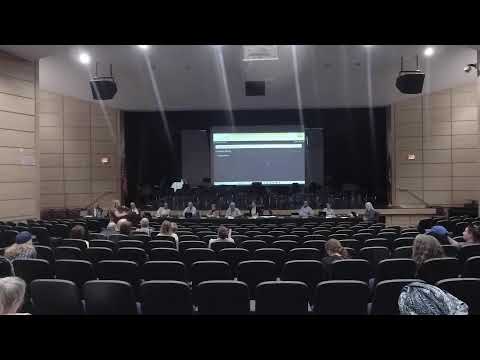
Parents, teachers and students urge South Country board to preserve AP, arts and athletics amid proposed $5.6M cuts
Summary
At a May 26 meeting, more than a dozen public commenters urged the South Country board to rethink program cuts proposed to meet the tax‑cap baseline, warning that eliminations of AP courses, JV sports, arts and interventionists would harm college and career readiness and disproportionately affect vulnerable students.
Residents, teachers and alumni urged the Board of Education for SOUTH COUNTRY CENTRAL SCHOOL DISTRICT to preserve advanced coursework, arts and athletics after administrators outlined more than $5.6 million in proposed reductions to reach a calculated tax cap.
Community speakers — including parents, current and former teachers and alumni — said cuts to AP classes, music, theater, JV sports and math interventionists would have long‑term effects on students' college and career pathways. "If you take away the sports from them, it stops with [their] GED," said Willie Wade, a district resident. Several parents urged alternatives to outright elimination, such as combining low‑enrollment AP sections with regular courses so students can still earn college credit or pursuing shared positions across buildings.
Several speakers also criticized the district's communications. A parent, Karim, said the budget newsletter before the vote did not disclose the dollar deficit or spell out program tradeoffs, and urged clearer, earlier information for voters: "The budget newsletter ... did not even mention the deficit in dollar terms." Another commenter, Aubrey Shatzman, said many retirees and residents without internet access were not reached by online notices.
Practical suggestions offered in public comment included making the food service (C) fund self‑operational to offset general fund costs — Jeanette Pervezio, a school lunch director in another district, said the cafeteria fund could finance kitchen upgrades and relieve pressure on the general fund — and exploring contract negotiations, voluntary concessions and temporary staffing changes to limit classroom cuts.
Administration responses: District presenters said some program eliminations are proposed recommendations and that certain items shown in the presentation are flexible. An administration speaker clarified that dual‑language programs were "staying," and reiterated that the cap budget presented is a plan the board can reprioritize during the fiscal year. The interim superintendent and finance presenter promised additional outreach and Q&A opportunities before the June 9 hearing.
Next steps: The board voted to publish legal notice for a June 9 hearing and a June 16 budget vote on the proposed spending plan; community members were directed to online presentations and a QR survey the district said would remain open for 24 hours for immediate feedback.