Get Full Government Meeting Transcripts, Videos, & Alerts Forever!
Get email alerts on the FPO And Medicaid Coverage topic
No spam. Unsubscribe anytime.
State officials and clinicians frame Family Planning Only and Apple Health as routes to expand men’s reproductive care
Summary
At a Fatherhood Council provider session, Health Care Authority and clinical presenters described Washington’s Family Planning Only (FPO) benefit, Apple Health coverage, and resources to help male patients access STI screening, vasectomy and over‑the‑counter contraception through Medicaid and Title X networks.
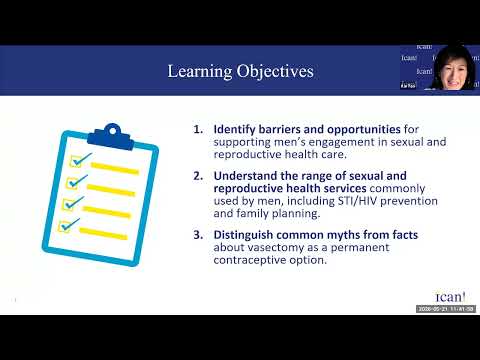
Andrea Estes of the Health Care Authority opened the Fatherhood Council provider learning series by saying the session’s goal is to connect fathers and providers with concrete coverage and enrollment options. She summarized state data showing male participation in family planning programs is increasing and emphasized that Washington’s Family Planning Only (FPO) benefit and Apple Health (state Medicaid) can be practical access points for men and for people seeking confidential care.
The Health Care Authority presented a brief guide to eligibility and covered services: Apple Health is the state name for Medicaid and provides comprehensive coverage for people under roughly 135 percent of the federal poverty level; after‑pregnancy coverage is now extended to one year (up to about 210 percent of FPL). FPO is a limited benefit that covers family planning services — including comprehensive preventive visits, STI testing and treatment, permanent methods such as vasectomy, FDA‑approved prescription and over‑the‑counter contraceptives, and selected vaccines — and is available to clients up to roughly 260 percent of the federal poverty level. Andrea said Washington also operates a state‑only program providing the same services for people ineligible under federal rules due to immigration status. She added that FPO is approved by CMS through 2030.
The presentation noted operational details clinicians will need: FPO enrollment currently requires a short application (different forms for federal vs. state‑only eligibility) that must be emailed or phoned in; Washington typically backdates coverage to the first day of the month of application, and customer service has up to 45 days under policy to process applications, although local experience has been faster. For medication and over‑the‑counter purchases the HCA has produced a pharmacy toolkit to help pharmacies process claims for Medicaid‑covered OTC contraceptives; the Office of the Insurance Commissioner (OIC) is the recommended consumer advocacy contact when clients are charged incorrectly.
The presenters said they will distribute a resource toolkit and clinic finder links after the session. Andrea urged providers and assisters to use WA Health Planfinder to screen for comprehensive eligibility first, then enroll clients in FPO when appropriate. The session closed with a reminder that FPO and the Apple Health provider finder are tools intended to reduce barriers to timely care.