Get Full Government Meeting Transcripts, Videos, & Alerts Forever!
Get email alerts on the Murals Ordinance topic
No spam. Unsubscribe anytime.
Planning Commission recommends new rules to distinguish murals from commercial signs
Summary
Plymouth planners voted to recommend ordinance changes that treat murals as noncommercial wall art requiring plan-director approval (with appeals), remove a 30% wall-area cap and clarify what constitutes commercial wall signage.
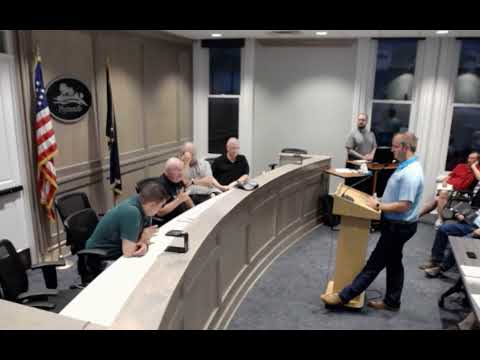
The Plymouth Planning Commission on Aug. 5 recommended a package of changes to Articles 6 and 13 that would recognize murals and wall art as distinct from commercial wall signs and set an administrative approval path for noncommercial public art.
Planning staff explained the revision divides wall art into noncommercial murals—"works of art"—and commercial wall signs. Under the proposal, murals that do not use business names, logos or advertising would not require a full sign permit but would need a plan-director letter of approval; the plan director could consult local artists or defer to the tenant-review committee or BZA in some cases. "Murals are works that are non commercial and do not use business names, photos, or logos," staff said, and the amendment removes a previous 30% limit staff called too restrictive to foster public art.
Commissioners probed appeal language (may vs. shall), durability and longevity of murals, and how to treat border cases where artwork contains commercial elements. Staff and the building commissioner said content restrictions are constrained by the First Amendment and that aesthetic, size, height and material standards can be regulated while content cannot. Staff noted that murals that function as advertising (logos, branding) would remain regulated as signs and could require a review under the sign provisions or a separate appeal to the BZA.
Staff recommended approval; the commission opened a public hearing, received no public opposition, voted in favor and will forward the recommended ordinance text to city council. After the vote, staff said the recommendation will help the city "be known as an arts community" while protecting free-speech limits and providing clearer processes for applicants.
If adopted by council, the changes would shorten administrative review for noncommercial public art while preserving signage controls for commercial content.