Get Full Government Meeting Transcripts, Videos, & Alerts Forever!
Get email alerts on the Budget topic
No spam. Unsubscribe anytime.
Sheboygan Area School District presents balanced 2026–27 budget draft with $216,000 preliminary surplus
Summary
District staff presented a draft 2026–27 plan-area budget that assumes 40% special education reimbursement, shows a preliminary $216,000 surplus without salary changes, proposes modest 3% salary increases, and outlines cost shifts including technology replacement-cycle extensions and moving school resource officer costs.
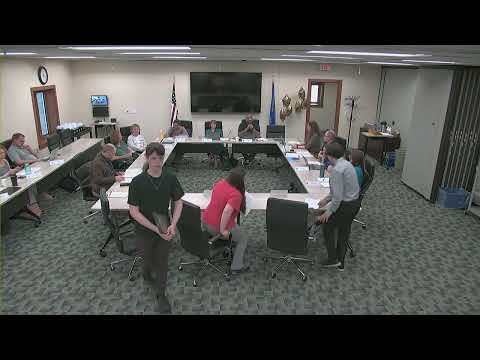
The Sheboygan Area School District on May 26 presented a draft 2026–27 plan-area budget that officials said is balanced and shows a preliminary $216,000 surplus without changes to salary schedules.
Margaret Lovenick, presenting the budget, said the draft assumes a 40% special education reimbursement rate for next year and reflected several changes since the board last reviewed the plan: reduced projected interest revenue, a lowered insurance-premium increase projection (from an earlier 8% to an estimated 7%), modest reductions in employee HRA contribution projections, and a set of expense reductions and reallocations intended to align revenues and expenditures.
The budget presentation also outlined program and operational adjustments the district used to reach balance. Staff proposed moving from a four-year to a five-year replacement cycle for student 1:1 devices to realize savings and to handle Chromebook repairs in-house rather than continuing the existing damage-insurance program for certain grade levels. The district said switching some teacher laptops to a new Apple MacBook model produced a near-term savings. In total, those and other changes produced the forecasted surplus without altering base salary lines in the draft.
On compensation, Lovenick said the district aims to present pay adjustments at the June planning meeting so they can be effective for the July 1 payroll cycle. The current draft includes a 3% proposal for three employee groups: a 2.63% base increase plus a 0.37% supplemental increase for teachers, and 3% increases for support and administrative staff.
The presentation also described a funding shift for school resource officers (SROs): the district plans to move SRO costs into Fund 85, a change that would reduce Fund 10 costs (the general fund) but would increase levy-supported spending. Lovenick cautioned she did not have a precise levy number at the time of the presentation and described an estimated range for the levy change in the meeting record.
Board members and the superintendent framed the draft as a set of difficult tradeoffs after a state funding bill the district had hoped to rely on did not pass. In remarks following the presentation, the superintendent said the district and its partners were ‘‘disappointed’’ by the legislative outcome and emphasized that district leaders worked to preserve class sizes and maintain CPI-level salary adjustments where possible while trimming other costs.
The board was told the preliminary budget will be revisited at the June planning meeting for proposed salary items and returned for further review at the regular board meeting scheduled later in June; final state aid and voucher levy information will continue to shape revisions through October.
What happens next: the budget is scheduled for continued consideration in June; the presentation made clear the draft relies on assumptions (including the 40% special-education reimbursement assumption) and that final figures will be adjusted as state aid and other revenues are finalized.