Get Full Government Meeting Transcripts, Videos, & Alerts Forever!
Get email alerts on the Budget topic
No spam. Unsubscribe anytime.
Roanoke schools’ 2026–27 general‑fund plan shows $14.1M shortfall; board to consider final approval next meeting
Summary
CFO Kathleen Jackson presented a preliminary 2026–27 general fund revenue projection of just under $269.9M and a $14.1M gap. The draft includes a 2% average raise and a new 0.5% contingency line; board members pressed for larger contingency and flagged fund‑balance and timing uncertainties tied to the state budget.
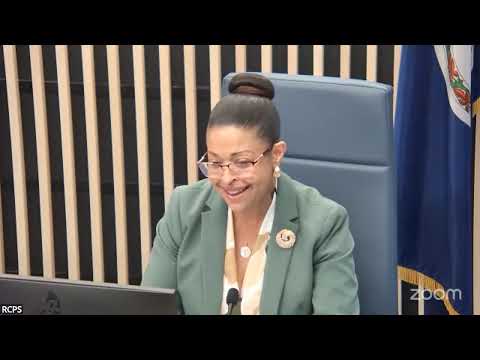
Roanoke City Public Schools’ proposed 2026–27 general fund budget leaves a projected gap of about $14.1 million, Chief Financial Officer Kathleen Jackson told the school board on May 26.
Jackson said the district is calculating next year’s budget using the Senate version of the state budget and currently projects general‑fund revenue at "just under, dollars 269,900,000." She said the draft budget includes a 2% average raise (a combination of scale and step adjustments) and that plan assumes a VRS pension rate change that reduces the district’s pension cost to about 12.84 percent. "So when all of that together brings us to the budget we have at this point, which is, just under, dollars 269,900,000 revenue budget for the general fund," Jackson said.
Jackson described the steps taken to close a roughly $14.1 million shortfall: reductions in personnel (the largest share), nearly $1.5 million in facilities and operations savings, reductions to after‑school and activity bus transportation, deferred maintenance, and cuts to professional learning and instructional materials. She said changes in how the district accounts for students with intensive support needs (moving certain items into the general fund from grants) affect comparative numbers but do not change the overall fiscal challenge.
Board members asked about the newly added contingency line (0.5% of the budget). Board member Link noted that typical professional guidance recommends 1%–5% contingencies and translated those percentages into dollar magnitudes; Jackson said the district consulted resources including GFOA and BASBO and chose a smaller contingency because every additional contingency dollar would increase personnel cuts elsewhere. Jackson also reminded the board the state budget timeline remains uncertain and said a final state appropriation could require an amendment after the board’s anticipated approval next meeting.
Jackson said work on the full budget book will continue and staff plan to present a final document at the next meeting; board members requested more detailed post‑approval reporting and scenarios tied to later state action.
Next steps: staff will post the budget book in advance of the next meeting and bring the final approval action to the board, with the understanding the district may need to amend the plan after state action.